Cogent Biosciences Inc. has discovered new tyrosine-protein kinase JAK2 V617F (JH2 domain) inhibitors potentially useful for the treatment of cancer and myeloproliferative diseases.
Accutar Biotechnology Inc. has synthesized new protein-protein interaction targeted chimera (PPI-TAC) compound comprising an E3 ubiquitin ligase-binding moiety covalently bound to a phosphatidylinositol 3-kinase α (PI3Kα)-targeting moiety. They act as PI3Kα H1047R mutant degradation inducers potentially useful for the treatment of cancer.
U.S. researchers have published data regarding IVMT-Rx-4, a melanoma differentiation-associated gene-9 (MDA-9) inhibitor with potential to treat bone-metastatic prostate cancer.
CSPC Pharmaceutical Group Ltd.’s SYS-6051 has gained clinical trial clearance from China’s National Medical Products Administration (NMPA) for advanced solid tumors. SYS-6051 is a human tissue factor-targeted antibody-drug conjugate that binds to tissue factor expressed on the surface of tumor cells.
Mabwell (Shanghai) Bioscience Co. Ltd.’s has announced IND acceptance by China’s National Medical Products Administration (NMPA) for the company’s LILRB4/CD3 T-cell engager bispecific antibody 6MW5311. The drug candidate is being developed for hematologic malignancies, specifically acute myeloid leukemia (AML), chronic myelomonocytic leukemia and multiple myeloma.
BMAL1 expression is tied to important cellular processes, including cell proliferation, migration, cell cycle and DNA damage repairing. There is increasing evidence that it regulates the expression of various oncogenes and tumor-suppressor genes in cancer cells. Researchers hypothesized that modulating BMAL1 expression could be a new therapeutic approach for treating cancer, such as triple-negative breast cancer (TNBC).
RNA epigenetics specialist Storm Therapeutics Ltd. has closed a $56 million series C to fund phase II development of its lead RNA enzyme inhibitor, STC-15, in treating myo- and liposarcomas, and announced that the first patient has been treated in the trial.
A pricing standoff between Pfizer Inc. and the Australian government has left women with advanced breast cancer facing tens of thousands of dollars in out-of-pocket costs, underscoring a growing global trend in which access to life-extending drugs is increasingly being shaped by pricing negotiations rather than clinical merit.
In what shakes out to be the largest follow-on stock offering in biopharma history, Revolution Medicines Inc., an oncology company that was the subject of buyout rumors earlier this year, priced 10.56 million shares to raise $1.5 billion just two days after wowing investors with top-line phase III data of its RAS inhibitor daraxonrasib in patients with metastatic pancreatic ductal adenocarcinoma.
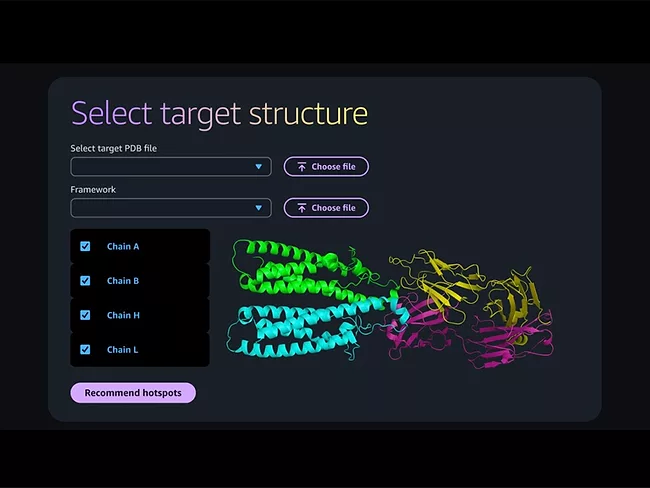
Amazon is extending the reach of its “everything store” into drug R&D with the launch of an artificial intelligence-powered Bio Discovery business. The company has compiled a catalogue of 40-plus foundation models that have been trained on extensive biology datasets and are able to generate and evaluate drug molecules in silico. For now, this covers antibodies only, but it is intended to move into other modalities.

 RSS
RSS