Children’s Medical Center Corp. has synthesized ceramide glucosyltransferase (glucosylceramide synthase; GLCT-1) inhibitors with potential for use in the treatment of cancer, neurological disorders, infections and more.
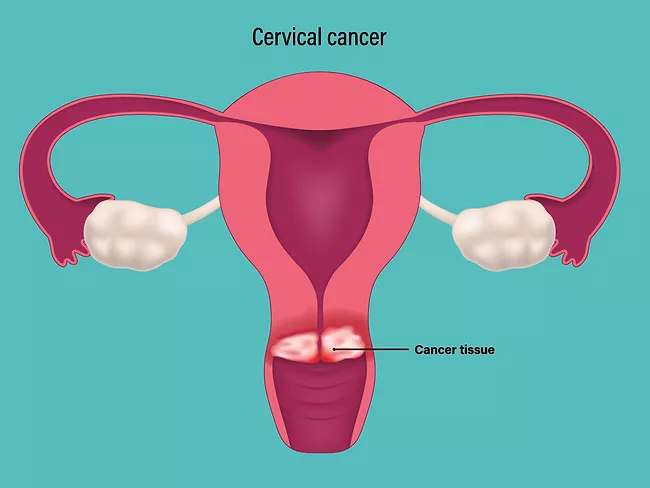
Cbio A/S has received European regulatory clearance to begin a first-in-human trial of novoleucel, the company’s next-generation T-cell therapy, in late-stage cervical cancer. The phase I/IIa study will enroll patients with persistent or recurrent cervical cancer at Karolinska University Hospital.
Valanx Biotech Gmbh has secured €3 million (US$4 million) in funding to advance its lead antibody-drug conjugate (ADC) program. The financing will enable preclinical development of VLX-ADC-001.
Similarities among three pediatric brain tumors that arise in different structures of the CNS – pineoblastoma, retinoblastoma and Group 3 medulloblastoma – have been linked to their shared origin during pineal gland development. Scientists at St. Jude Children’s Research Hospital have identified the molecular signatures that drive these tumors from pinealocyte progenitor cells that conserve a common differentiation program, providing a shared therapeutic target for these three cancer types.
Synnovation Therapeutics Inc. has reported Werner syndrome ATP-dependent helicase (WRN; RECQ3; RECQL2) inhibitors reported to be useful for the treatment of cancer.
Beijing Earthwise Technology Co. Ltd. has described E3 ubiquitin-protein ligase CBL-B (CBLB) inhibitors reported to be useful for the treatment of cancer.
China’s National Medical Products Administration has approved Asieris Pharmaceuticals Co. Ltd.’s cold light photodynamic drug-device combination product, Cevira (APL-1702, hexaminolevulinate hydrochloride), which is used as a nonsurgical therapy for treating patients with cervical intraepithelial neoplasia grade 2.
On the heels of China’s approval of Sino Biopharmaceutical Ltd.’s rovadicitinib, Sanofi SA is now inlicensing the first-in-class dual JAK/ROCK inhibitor in a deal worth more than $1.4 billion.

 RSS
RSS