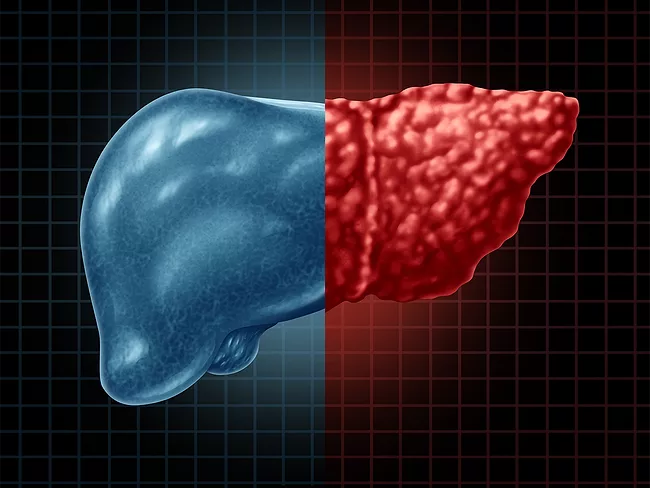
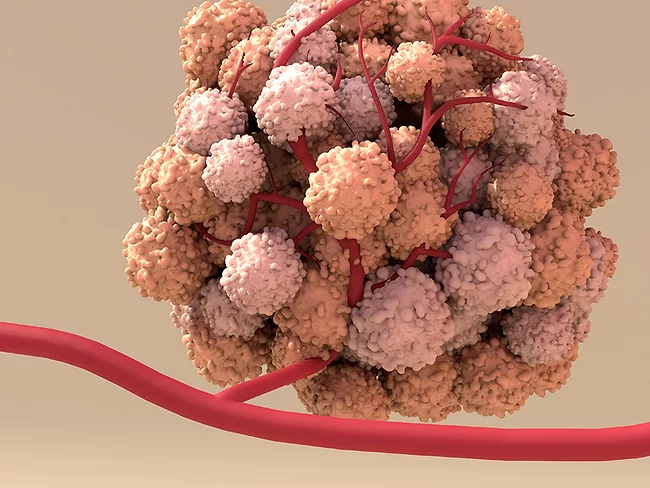
CD47, or integrin-associated protein, is a ubiquitously expressed cell surface protein that is overexpressed in many solid tumors and hematologic malignancies, including multiple myeloma, with higher levels associated with poor prognosis. In a recent study published in iScience, researchers from Westlake University (China) engineered an oncolytic vaccinia virus encoding an anti-mouse CD47 nanobody (OVV-aCD47nb) that combines direct oncolysis with localized CD47-SIRPα axis blockade.
In a boon for licensee Bristol Myers Squibb Co., Systimmune Inc.’s next-generation cancer drug, izalontamab brengitecan (iza-bren), hit both progression-free survival and overall survival endpoints in a phase III trial of Chinese patients with advanced triple-negative breast cancer.
Oddsmakers wasted no time figuring the market chances after Merck & Co. Inc. rolled out data from the phase III Litespark-011 study testing its oral hypoxia-inducible factor-2 alpha (HIF-2α) inhibitor, Welireg (belzutifan), when used with tyrosine kinase inhibitor Lenvima (lenvatinib, Eisai Co.) in advanced renal cell carcinoma.
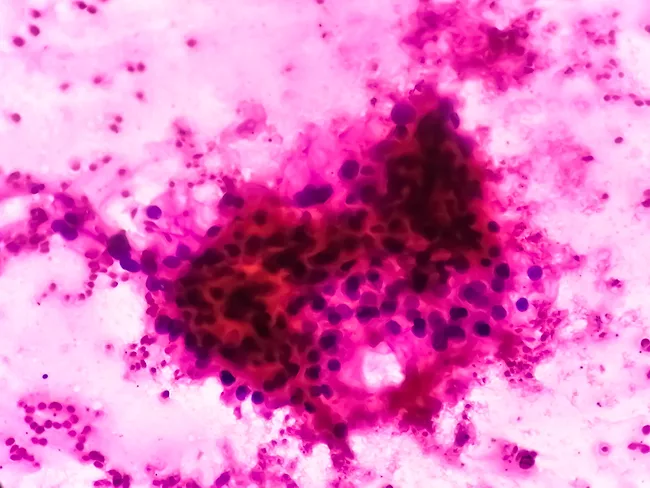
China’s National Medical Products Administration has approved Sino Biopharmaceutical Ltd.’s rovadicitinib, branded as Anxu, for first-line treatment of adults with intermediate- or high-risk primary myelofibrosis, as well as post polycythemia vera myelofibrosis or post-essential thrombocythemia myelofibrosis.
Radnet Inc. acquired Gleamer SAS for up to €230 million (US$267 million) as it continues to expand its position across imaging and acute diagnostic care, while accelerating its move toward AI-powered automated diagnostics. Gleamer will be integrated into Radnet’s subsidiary, Deephealth Inc., strengthening its imaging portfolio, and positioning the company as the world’s largest provider of radiology clinical AI solutions.
Boehringer Ingelheim GmbH is stopping development of OSE Immunotherapeutics SA’s BI-770371 in metabolic dysfunction-associated steatohepatitis (MASH), after the SIRPα antagonist failed to show efficacy in a phase II study. Codevelopment of BI-770371 will continue for oncology indications, however, which was the initial target of the duo’s €1.4 billion (US$1.6 million) partnership in 2018.
Shanghai Aryl Pharmtech Co. Ltd. and Zhejiang Hisun Pharmaceutical Co. Ltd. have jointly identified Werner syndrome ATP-dependent helicase (WRN; RECQ3; RECQL2) inhibitors for use in the treatment of cancer.
Calidi Biotherapeutics Inc. recently presented data regarding CLD-401 as an immunotherapeutic approach developed using the Redtail gene therapy platform. This platform uses a tumor-specific, replicating enveloped vaccinia virus that expresses a chimeric form of CD55 to allow complement and neutralizing antibody resistance, as well as systemic administration.
 RSS
RSS



-cells-in-blood-flow.webp?height=488&t=1772563584&width=650 "Primary myelofibrosis (PMF) cells in blood flow")