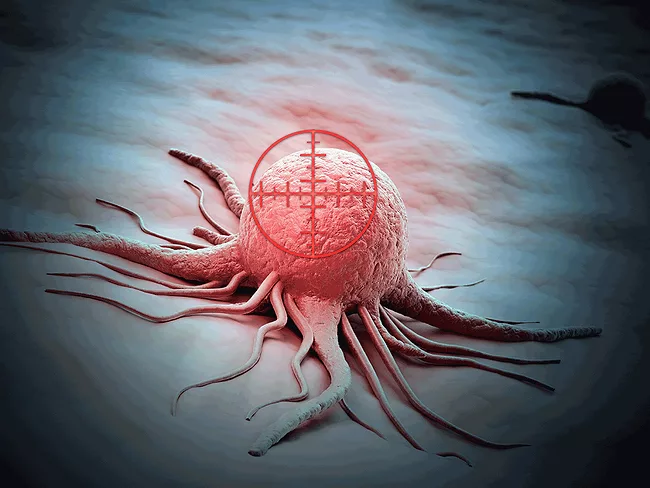
Presage Biosciences Inc. has announced that the FDA has issued a study may proceed notification for testing a pre-GMP drug candidate with the company’s Comparative In Vivo Oncology (CIVO) platform. Owned by Pure Biologics, the drug candidate, PBA-0405, is a ROR1-targeting compound that has been engineered to induce tumor cell killing by cytotoxic immune cells.
E-Therapeutics plc has offered a pipeline update, following the nomination of novel target genes, which have yielded promising results in preclinical studies.
SUMOylation is a post-translational modification implicated in DNA damage repair that has been linked to the lack of efficacy of some therapies commonly used for the treatment of leukemia.
Cellectar Biosciences Inc. has released promising preclinical data for its proprietary novel α-emitting phospholipid radiotherapeutic conjugate, CLR-121225 (225Ac-CLR-121225), an actinium-labeled phospholipid ether, in refractory pancreatic cancer mouse xenograft models.
Axelia Oncology Pty Ltd. was spun out of Ena Respiratory Pty. Ltd., which developed a series of synthetic Toll-like receptor (TLR) 2/6 agonists for nasal delivery to treat respiratory infections, including influenza and SARS-CoV-2. Although the pegylated TLR 2/6 agonist, INNA-051, was initially focused on antiviral activity, the company discovered that it also worked in oncology models, and Axelia was spun out to focus on oncology, CEO Phil Kearney told BioWorld.
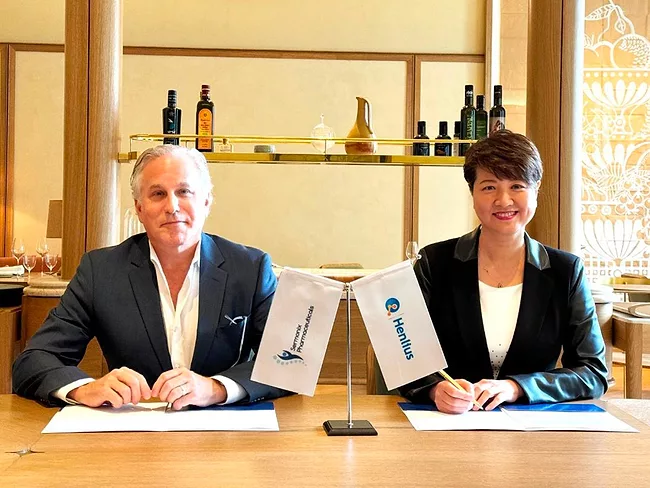
U.S. biopharma Sermonix Pharmaceuticals Inc. handed off China rights of lasofoxifene, an oral endocrine therapy in development for breast cancer, to Shanghai’s Henlius Biotech Inc., for an undisclosed up-front payment and up to $58 million in milestone fees.
Researchers at Mayo Foundation for Medical Education and Research (MFMER) and University of Nebraska have described proteolysis targeting chimeric (PROTAC) compounds comprising an E3 ubiquitin ligase binding moiety covalently linked to a hepatocyte growth factor receptor (HGFR; MET)-targeting moiety through a linker reported to be useful for the cancer.

 RSS
RSS