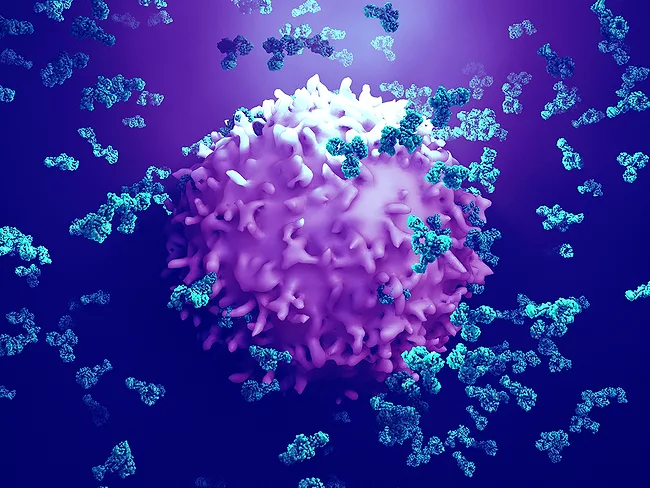
Researchers from Genequantum Healthcare (Suzhou) Co. Ltd. have presented the first preclinical data on GQ-1007, an antibody immune agonist conjugate (AIAC) targeting HER2, for the treatment of cancer. GQ-1007 is an anti-HER2 antibody conjugated via Genequantum’s highly stable linker and enzymatic conjugation technology to a Toll-like receptor 7/8 (TLR7/8) agonist.
Demand for its COVID-19 vaccine might be declining, but Biontech SE is putting its revenue to good use, picking up rights to a bispecific antibody candidate from Biotheus Inc. in exchange for $55 million up front and potentially more than $1 billion in development, regulatory and sales milestones.
Chong Kun Dang Pharmaceutical Corp. has described histone deacetylase 6 (HDAC6) inhibitors reported to be useful for the treatment of cancer, inflammation, neurodegeneration, autoimmune and neurological disorders.
Biolexis Therapeutics Inc. has divulged CDK9/cyclin T1 inhibitors reported to be useful for the treatment of cancer, inflammation and autoimmune disease.
Briacell Therapeutics Corp. has received IND clearance from the FDA to begin clinical studies with Bria-OTS, the first generation of the company’s personalized off-the-shelf cellular immunotherapy for breast cancer.
CSPC Pharmaceutical Group Ltd.’s SYS-6011 has been cleared by China’s National Medical Products Administration (NMPA) to enter clinical trials in China for solid tumors.
At the Society for Immunotherapy of Cancer’s annual meeting, researchers from Tallac Therapeutics Inc. reported the discovery of TAC-003, a novel Toll-like receptor 9 (TLR9) agonist and Nectin-4-specific antibody conjugate, being developed as cancer immunotherapy candidate.
Scientists at the University of California San Francisco (UCSF) have designed a group of synthetic molecules that could prevent the rejection of allogeneic cell transplants. Their strategy consisted of activating the immune checkpoints of different populations of immune cells from the cell surface, but avoiding the cytotoxicity of natural killer (NK) cells and macrophages that would destroy the transplanted cells.
Alesta Therapeutics BV has identified eukaryotic translation initiation factor 2-α kinase 4 (GCN2) inhibitors reported to be useful for the treatment of cancer.

 RSS
RSS