Shanghai Chempartner Co. Ltd. has identified antibody-drug conjugates (ADCs) comprising HER2 (erbB2) or tumor-associated calcium signal transducer 2 (TACSTD2; TROP2) covalently linked to eribulin through a linker reported to be useful for the treatment of cancer.
Researchers from Hangzhou Innogate Pharma Co. Ltd. and Innorace Biopharma Co. Ltd. have disclosed tyrosine-protein phosphatase non-receptor type 1 (PTPN1; PTP-1B) and/or tyrosine-protein phosphatase non-receptor type 2 (PTPN2; TCPTP) inhibitors. They are reported to be useful for the treatment of cancer, metabolic dysfunction-associated steatotic liver disease (MASLD; NAFLD), obesity and diabetes.
Zelluna ASA has established a collaboration with Etcembly Ltd. that will focus on the engineering of high-affinity, tumor-specific T-cell receptors targeting KKLC1.
Dysregulation of the mechanistic target of rapamycin (mTOR) signaling pathway is frequently observed across a wide range of cancers and contributes to uncontrolled cell proliferation, enhanced cellular metabolism, and tumor progression.
A recent study published in Cancer Research by scientists at The University of Texas MD Anderson Cancer Center (USA) and collaborators aimed to identify and characterize a target that elicits an anticancer response through both disrupting cancer cell redox homeostasis and increasing the immunogenicity of pancreatic ductal adenocarcinoma (PDAC).
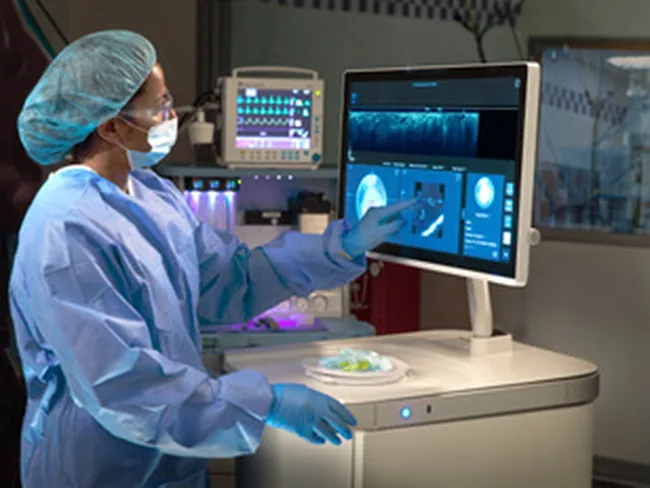
Perimeter Medical Imaging AI Inc. secured FDA premarket approval for Claire, its AI-powered imaging device which detects difficult-to-see cancer during breast-conserving surgery. Claire combines AI with wide-field optical coherence tomography to provide surgeons with high-resolution, real-time views of excised tumor margins, to reduce the need for re-operations.
The K-health MIRAE Initiative, also known as Korean ARPA-H, announced plans to allocate about ₩162 billion (US$110 million) in nine new projects over the next five years, with a focus on strengthening national health security.
What Cowen analyst Tara Bancroft called an “exciting” year ahead for Day One Biopharmaceuticals Inc. will be shared by Servier SAS, after the French firm agreed to pay $21.50 per share to acquire Day One in a deal that notched an equity value of about $2.5 billion.

 RSS
RSS