The U.S. FDA has issued a final guidance for non-clinical performance testing for tissue containment bags used during power morcellation procedures, and the FDA had recommended in 2020 containment bags always be used during morcellation procedures. Despite the FDA’s advisory, a survey of surgeons published last year suggested that most of these procedures are not done with these containment systems, possibly because the rate of procedure-related complications is considerably higher when containment is used.
Freenome Inc. has acquired U.K.-based immunodiagnostics developer Oncimmune Ltd. for £13 million (US$16 million), in a move that bolsters Freenome’s frontline early cancer detection efforts. While Freenome has been largely focused on getting the U.S. FDA’s nod for its colorectal cancer test, Oncimmune already has a CE-IVD marked EarlyCDT Lung blood test, an autoantibody platform and an R&D pipeline of over seven cancer detection signals.
In a deal potentially worth $392 million, C4 Therapeutics Inc. signed with Betta Pharmaceuticals Co. Ltd. to develop and market an orally bioavailable BiDAC degrader for non-small-cell lung cancer (NSCLC).
Bayer AG’s copanlisib was approved in China for the treatment of adult patients with relapsed follicular lymphoma who have received at least two prior systemic therapies. It is the first indication approved in the country for copanlisib, which is entering a market with room to grow but marked by some domestic competition.
Shanghai Euregen Biopharma Co. Ltd. has divulged menin (MEN1)/MLL interaction inhibitors reported to be useful for the treatment of cancer, autoimmune disease, diabetes and nonalcoholic fatty liver disease).
Ubix Therapeutics Inc. has identified proteolysis targeting chimeras (PROTACs) comprising cereblon (CRBN) ligands coupled to a Bruton tyrosine kinase (BTK) targeting moiety via linker acting as BTK degradation inducers reported to be useful for the treatment of cancer and autoimmune disease.
Sanford-Burnham Medical Research Institute has disclosed baculoviral IAP repeat-containing protein 7 (BIRC7; ML-IAP) inhibitors reported to be useful for the treatment of cancer.
Intron Biotechnology Inc. has announced the identification of lysogenic bacteriophages prophage and jamphage in the pancreatic cancer-related microbiome. This identification was achieved as part of the ongoing Phageriarus development project that is focused on acquiring bacteriophage-derived proteins that can serve as immune regulators, with the ultimate goal of developing phage-based immunotherapeutics for immune disorders and cancer.
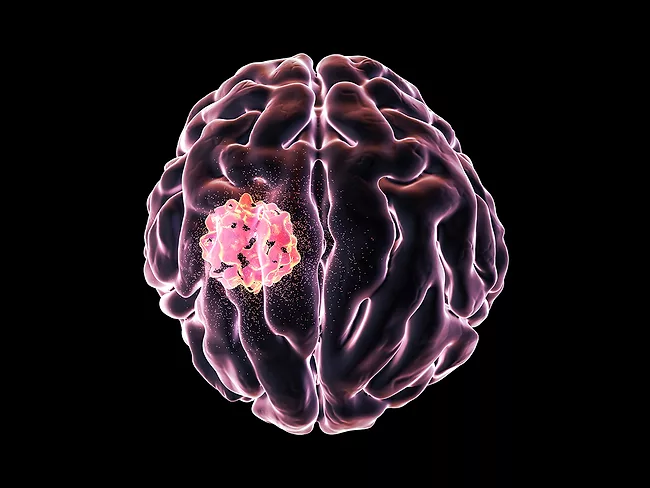
Glioblastoma multiforme (GBM) is an aggressive brain cancer with poor prognosis and survival. TNF-related apoptosis-inducing ligand (TRAIL) is a protein that induces apoptosis in cancer cells by binding death receptors type 4 and 5. Researchers at the University of North Carolina explored using hiNeuroS-TRAIL combined with the ClpP activator TR-107 as a potential treatment.

 RSS
RSS