CSPC Zhongqi Pharmaceutical Technology (Shijiazhuang) Co. Ltd. has described pyrimidine and nitrogen-containing 6-membered aromatic heterocyclic compounds acting as S-adenosylmethionine synthase isoform type-2 (Mat2A) inhibitors reported to be useful for the treatment of cancer.
Jiangsu Chia Tai Tianqing Pharmaceutical Group Co. Ltd. has divulged 1,2,4-triazole compounds acting as tyrosine-protein kinase receptor UFO (AXL) inhibitors reported to be useful for the treatment of cancer.
The Consejo Superior de Investigaciones Cientificas (CSIC) has identified chemokine CXCR4 (SDF-1 receptor) receptor ligands reported to be useful for the treatment of cancer, rheumatoid arthritis and AIDS.
Sichuan Huiyu Pharmaceutical Co. Ltd. and Sichuan Huiyu Seacross Pharma Technology Ltd. have disclosed derivatives with pyrimidine-fused cyclic structures acting as son of sevenless homolog 1 (SOS1) inhibitors reported to be useful for the treatment of cancer, cardiofaciocutaneous and Noonan syndromes.
While immune checkpoint inhibitors have revolutionized oncology, still only 20-30% of patients respond to PD-1/PD-L1 antibody monotherapy. This can be due to a failure of T cells to recognize “cold” tumors (low T-cell infiltrates).
The efficacy of allogeneic cell therapeutics for regenerative or oncology indications can be compromised by the emergence of antibodies against those cells, as observed in clinical trials. To overcome this limitation, scientists from the University of California and collaborators have developed a gene engineering approach providing antibody protection for cell therapeutics. The new approach to protecting cells from antibody-mediated cellular cytotoxicity (ADCC) relies on the overexpression of the IgG receptor CD64.
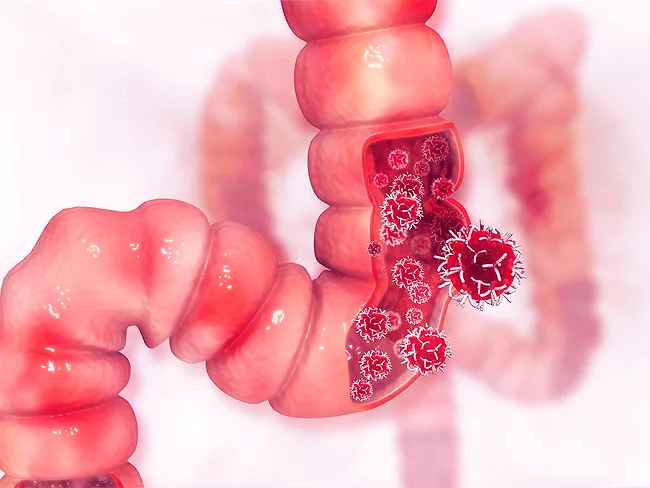
While fecal immunochemical tests (FIT) are common strategies for colorectal cancer (CRC) screening, the potential use of blood-based biomarkers could provide an alternative method to increase compliance in population-based screening programs for early detection of CRC. Researchers from EDP Biotech Corp. aimed to identify novel blood-based biomarker candidates for use in CRC screening.

 RSS
RSS