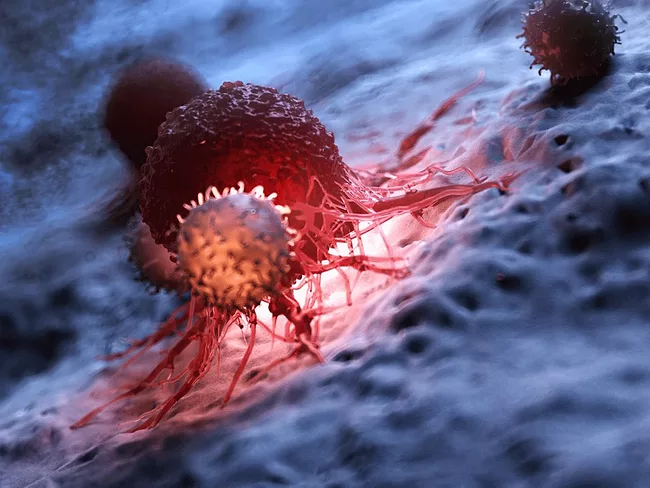
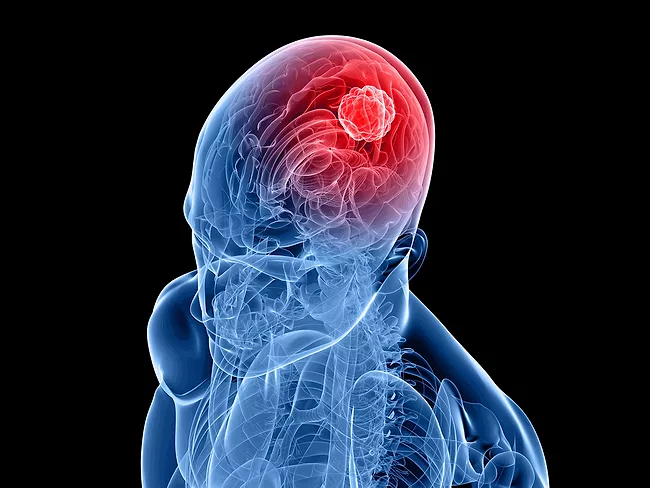
Genetically modified derivatives of the chimeric oncolytic virus (OV) CF33 have previously shown cancer selectivity and oncolytic potency against various solid tumors.
Long before the U.S. Congress approved a path for importing prescription drugs from Canada to take advantage of their cheaper price, Poornanand Palaparty, an oncologist in Ohio, purchased cancer drugs from a Canadian distributor from 2004 to 2009. Now, nearly a decade after Palaparty pleaded guilty in 2013 to introducing misbranded drugs into the U.S., the FDA is debarring the doctor based on that federal misdemeanor.
Tyra Biosciences Inc. has described indazole compounds acting as fibroblast growth factor receptors (FGFR) inhibitors reported to be useful for the treatment of cancer.
Tuojie Biotech (Shanghai) Co. Ltd. has divulged cyclin-dependent kinase 2 (CDK2)/cyclin E inhibitors reported to be useful for the treatment of cancer and immunological disorders.
Uppthera Inc. has identified proteolysis targeting chimera (PROTAC) compounds comprising an E3 ubiquitin ligase-binding agent coupled to serine/threonine-protein kinase PLK1 (STPK13) targeting moiety through a linker, acting as novel PLK1 protein degradation-inducing compounds with use for the treatment of cancer and neurological disorders.
Blueprint Medicines Corp. has disclosed EGFR (L858R/T790M/C797S triple mutant) and/or EGFR (exon 19 deletion mutant) inhibitors reported to be useful for the treatment of cancer.
Induction of immunogenic cell death (ICD) in cancer has been proposed as a promising strategy to elicit potent adaptive immune responses against tumor-associated antigens, potentially overcoming the limited efficacy of immunotherapy in some patients and tumor types. Since type I interferon (IFN) is a key modulator of ICD in antitumor responses, researchers at the University of California, San Diego are investigating how to expand the IFN effect to promote ICD responses in cancer cells.

 RSS
RSS