Researchers from Fudan University presented data from a study that aimed to assess the significance of a newly found long noncoding RNA (lncRNA), Ewing sarcoma-associated transcript 1 (EWSAT1), in hepatocellular carcinoma (HCC) metastasis.
Several STING agonists have demonstrated antitumor efficacy in preclinical studies and are currently under clinical development. However, systemic administration of STING agonists may have adverse effects, while intratumoral injection is limited by tumor accessibility. Therefore, systemic delivery of STING agonists specifically targeted to tumors emerges as a potential strategy to overcome these limitations.
TSC22 domain family member 3 (TSC22D3) is a glucocorticoid-induced gene that plays a key regulatory role in immunosuppression and cell proliferation. Its prognostic usefulness in acute myeloid leukemia (AML) has not been deeply investigated yet.
Repeat expansions of two or more base pairs cause dozens of neurological disorders – Huntington’s disease, which is caused by an expansion of the triplet CAG in the coding sequence for huntingtin, is perhaps the most famous one. Now, investigators at Stanford University have shown that cancer genomes, too, frequently feature repeat expansions.
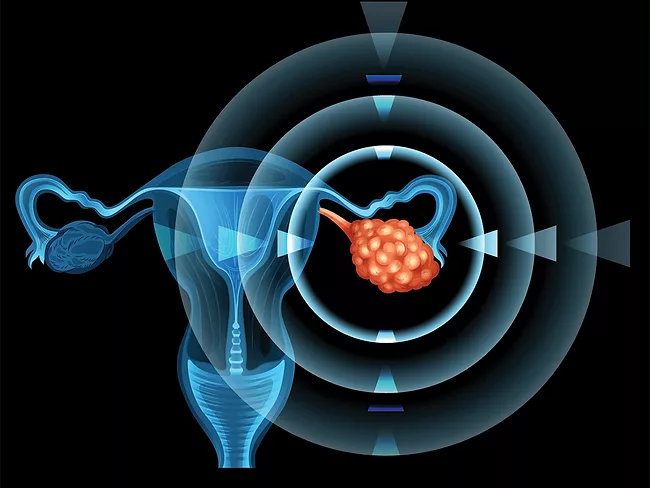
A feasibility study conducted by the University of Queensland (UQ) confirmed the utility of Inoviq Ltd.’s exosome-based ovarian cancer screening test for isolating extracellular vesicle (EV) biomarkers. The Ovarian Cancer 97 study (OC97) screened data from 97 plasma samples and identified significant differences between the EV biomarker content of ovarian cancer and healthy control samples.
New and updated clinical data presented by biopharma firms at the American Society of Hematology annual meeting and exposition, including: Amgen, Beigene, Novartis, Pharming.
Blossomhill Therapeutics Inc. has identified macrocyclic compounds acting as GTPase KRAS (G12D mutant) inhibitors reported to be useful for the treatment of cancer.
CD40-targeting therapies have been proposed as an interesting alternative to overcome resistance to immune checkpoint inhibitors. In particular, bispecific CD40 antibodies can target CD40 more efficiently and safely than monospecific therapies. In a recent publication, researchers at Alligator Bioscience AB and collaborators demonstrate that bispecific antibodies targeting CD40 and tumor-associated antigens (TAA) can enhance priming of tumor-specific T cells in vivo.
As largely expected, Mirati Therapeutics Inc.’s adagrasib gained U.S. FDA accelerated approval ahead of its Dec. 14 PDUFA date, cleared for second-line use in patients with non-small-cell lung cancer (NSCLC) harboring the KRAS G12C mutation, in which it will go up ahead Amgen Inc.’s Lumakras (sotorasib), which has the advantage of a year and a half head start.
 RSS
RSS