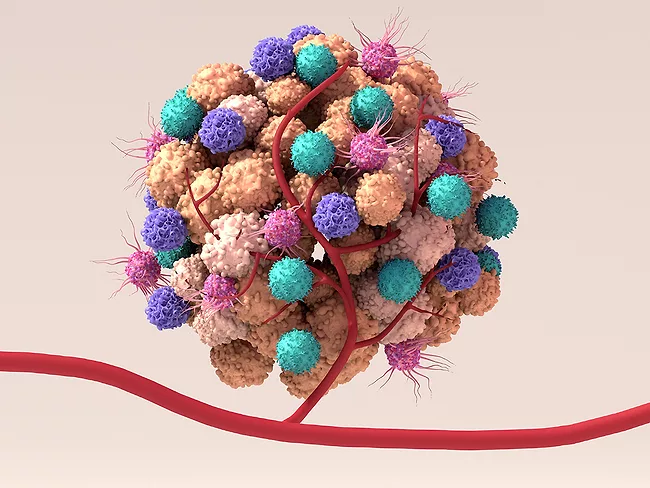
Two recent studies have reported new insights into the role of the tumor-associated microbiome in both drug response and metastasis. Researchers working at the Fred Hutchinson Cancer Center, Seattle, reported in the Nov. 16, 2022, issue of Nature that bacteria can promote the spreading of cancer as single cells with recruitment of myeloid host cells. In a parallel publication, the same team reported in the Nov. 15, 2022, issue of Cell Reports that the primary chemotherapy used to treat colorectal cancer (CRC), 5-fluorouracil (5-FU), was less effective when the tumor included bacteria that were insensitive to 5-FU antimicrobial activity.
The stock rally by Tango Therapeutics Inc. over the past month or so has further revved the long-percolating interest in protein arginine methyl transferase 5 (PRMT5) and in synthetic lethality, where a number of parties have programs ongoing.
An investigational dendritic cell vaccine from Northwest Biotherapeutics Inc., administered with standard of care, extended both median overall survival (OS) and "the ‘long tail' of the survival curve" vs. matched external controls in newly diagnosed and recurrent glioblastoma multiforme brain cancer patients, according to results published Nov. 17 in JAMA Oncology.
Researchers from Carisma Therapeutics Inc. have provided details on the discovery and preclinical evaluation of a novel mesothelin-targeting chimeric antigen receptor macrophage (CAR-M), CT-1119, being developed as a potential solid tumor immunotherapy candidate.
Wigen Biomedicine Technology (Shanghai) Co. Ltd. has patented poly(ADP-ribose) polymerase (PARP) inhibitors, particularly PARP-1, reported to be useful for the treatment of cancer.
Kayothera Inc. and Princeton University have identified aldehyde dehydrogenase (ALDH) inhibitors reported to be useful for the treatment of cancer, type 2 diabetes and metabolic disease, as well as for male contraception.
Essa Pharma Inc. has divulged androgen receptor antagonists reported to be useful for the treatment of metastatic castration-resistant prostate cancer.
An AU$300,000 grant from The Australian Pancreatic Cancer Foundation (Pankind) will support research at the Garvan Institute of Medical Research into the use of a porcupine-targeting molecule for pancreatic cancer.
 RSS
RSS