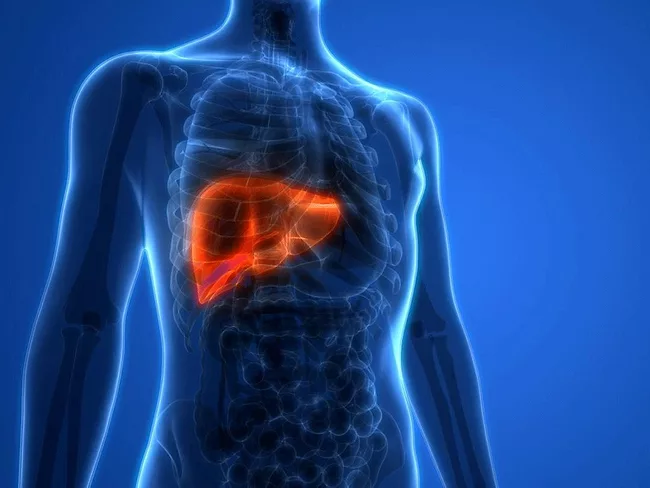
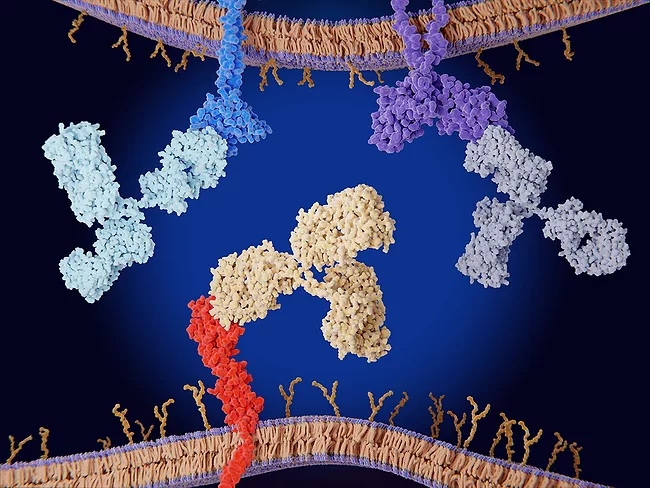
Glypican 3 (GPC3) is overexpressed in hepatocellular cancers (HCC), even at very early stages. In contrast, GPC3 is not expressed in normal adult organs. One strategy in place for HCC consists in co-targeting GPC3 and CD3 with bispecific antibodies to activate the latter in order to attack GPC3-positive cancer cells.
Mesothelin (MSLN) glycoprotein is overexpressed in many solid tumors and is considered a relevant target for antigen-specific therapies. In fact, chimeric antigen receptor (CAR) T-cell therapy against MSLN has shown promising results in preclinical models, as well as safety in a phase I trial.
Researchers from Caribou Biosciences Inc. presented preclinical data for the novel BCMA-specific allogeneic CAR T-cell therapy candidate, CB-011, being developed for the treatment of relapsed or refractory multiple myeloma. A genome editing strategy was implemented in the production of CB-011 to blunt CAR T-cell rejection by both patient T cells and natural killer (NK) cells.
Shanghai Aryl Pharmtech Co. Ltd. and Zhejiang Hisun Pharmaceutical Co. Ltd. have described pyrimidocyclic derivatives acting as son of sevenless homolog 1 (SOS1) inhibitors reported to be useful for the treatment of cancer, cardiofaciocutaneous and Noonan syndrome.
Previous studies revealed that cancer-restraining cancer-associated fibroblasts express Meflin as a marker in pancreatic cancer, and further research has shown that Meflin can also be a good predictive marker for immune checkpoint inhibitor (ICI) response in non-small-cell lung cancer.
The development of EGFR-targeted tyrosine kinase inhibitors (TKIs) over the past 20 years has modestly improved progression-free survival for patients with metastatic NSCLC. But many patients with EGFR mutations fail to respond to TKI treatments, and immune checkpoint inhibitors elicit a response in less than 10% of NSCLC patients.
New and updated clinical data presented by biopharma firms at the American Society of Clinical Oncology Genitourinary Cancers Symposium, including: Bellicum, Celcuity, Janssen, Lava, Promontory.
Carna Biosciences Inc. has synthesized 1,2-diaminobenzimidazole derivatives acting as stimulator of interferon genes protein (STING) antagonists reported to be useful for the treatment of cancer, viral infection, neurodegeneration and autoimmune, inflammatory, metabolic, eye and cardiovascular disorders, among others.
 RSS
RSS