Beigene Co. Ltd. has divulged proteolysis targeting chimeras (PROTACs) comprising an E3 ubiquitin ligase binding moiety covalently linked to a mitogen-activated protein kinase kinase kinase kinase 1 (MAP4K1; HPK1; MEKKK1)-targeting moiety reported to be useful for the treatment of cancer.
Grey Wolf Therapeutics Ltd. has identified phenyl-sulfamoyl-benzoic acid derivatives acting as endoplasmic reticulum aminopeptidase 1 (ERAP1) inhibitors reported to be useful for the treatment of cancer, viral infection, inflammatory and immunological disorders.
Receptor-interacting serine/threonine-protein kinase 2 (RIPK2) is a kinase protein that plays key roles in inflammation and antimicrobial response through the NF-kB signaling pathway, as well as it is known to activate c-MYC, which is involved in the progression of several malignancies, such as prostate cancer.
Over half of the children with high-risk neuroblastoma experience late relapses caused by minimal residual disease. Since chimeric antigen receptor (CAR) T-cell therapy has shown efficacy against minimal residual disease in pediatric patients with hematologic malignancies, several CAR T-cell therapies are being investigated for neuroblastoma.
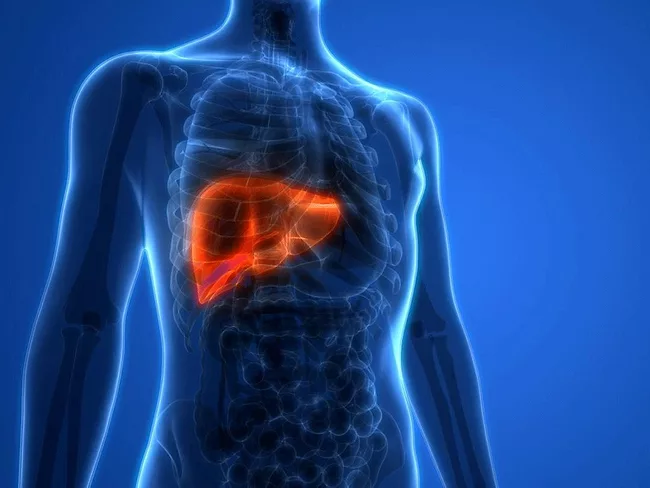
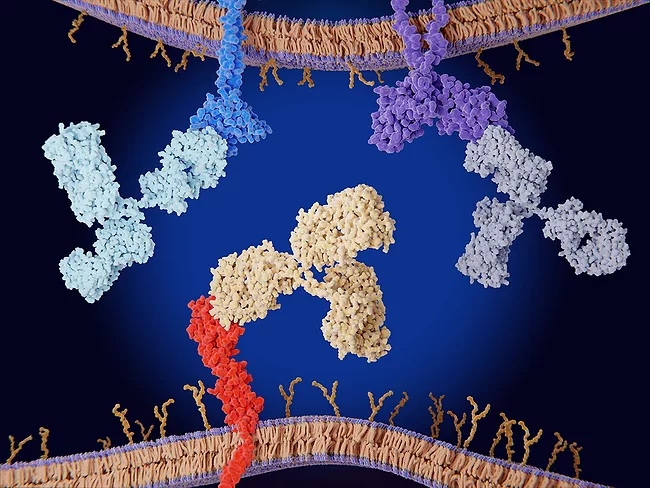
Glypican 3 (GPC3) is overexpressed in hepatocellular cancers (HCC), even at very early stages. In contrast, GPC3 is not expressed in normal adult organs. One strategy in place for HCC consists in co-targeting GPC3 and CD3 with bispecific antibodies to activate the latter in order to attack GPC3-positive cancer cells.
Mesothelin (MSLN) glycoprotein is overexpressed in many solid tumors and is considered a relevant target for antigen-specific therapies. In fact, chimeric antigen receptor (CAR) T-cell therapy against MSLN has shown promising results in preclinical models, as well as safety in a phase I trial.
Researchers from Caribou Biosciences Inc. presented preclinical data for the novel BCMA-specific allogeneic CAR T-cell therapy candidate, CB-011, being developed for the treatment of relapsed or refractory multiple myeloma. A genome editing strategy was implemented in the production of CB-011 to blunt CAR T-cell rejection by both patient T cells and natural killer (NK) cells.
Shanghai Aryl Pharmtech Co. Ltd. and Zhejiang Hisun Pharmaceutical Co. Ltd. have described pyrimidocyclic derivatives acting as son of sevenless homolog 1 (SOS1) inhibitors reported to be useful for the treatment of cancer, cardiofaciocutaneous and Noonan syndrome.
Previous studies revealed that cancer-restraining cancer-associated fibroblasts express Meflin as a marker in pancreatic cancer, and further research has shown that Meflin can also be a good predictive marker for immune checkpoint inhibitor (ICI) response in non-small-cell lung cancer.

 RSS
RSS