A recent Canwell Biotech Ltd. patent details the discovery of methionine aminopeptidase-2 (MetAP2) inhibitors reported to be useful for the treatment of cancer, diabetes, obesity, rheumatoid arthritis and psoriasis.
Yiteng Pharmaceutical Industry Taizhou Co. Ltd. has described cyclin-dependent kinase 7 (CDK7) inhibitors reported to be useful for the treatment of cancer.
Xi'an Xintong Medicine Research Co. Ltd. has synthesized 1,3-benzodioxolane-containing compounds acting as dual Bruton tyrosine kinase (BTK) and tyrosine-protein kinase JAK3 inhibitors reported to be useful for the treatment of rheumatoid arthritis and B-cell lymphoma.
Rational drug design based on EPI-X4, endogenous antagonist of C-X-C motif chemokine receptor (CXCR4), led to the identification of optimized analogues named JMF-01 to JMF-07, which demonstrated increased antagonistic activity.
The British Columbia Cancer Agency recently discussed their research efforts toward the discovery of new radiotherapeutic agents for the treatment of prostate cancer.
Celltrion Healthcare Inc. has signed a deal with Pinotbio Inc. to develop antibody-drug conjugates for up to 15 separate cancer targets incorporating the linker-payload platform technology Pinot-ADC. Celltrion could pay Pinotbio as much as ₩1.77 trillion (US$1.24 billion) to exercise options for all 15 targets in the collaboration. But, for starters, it will pay Pinotbio ₩1 billion up front.
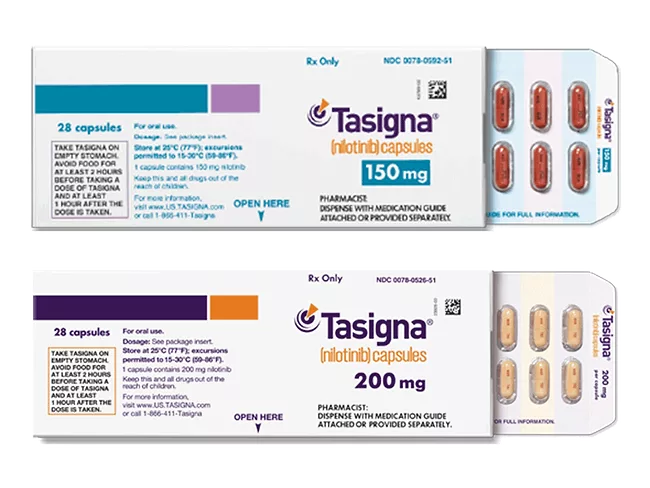
Expanding its mandate to accelerate access to essential medicines to people in low- and middle-income countries, the Medicines Patent Pool signed its first voluntary licensing agreement for a cancer treatment, Novartis AG’s Tasigna (nilotinib). A twice-daily oral drug, Tasigna is a tyrosine kinase inhibitor included on the World Health Organization’s Model List of Essential Medicines as a second-line treatment for adult and pediatric chronic myeloid leukemia.
Carcinoembryonic antigen (CEA) is an antigen that is overexpressed in colorectal cancers and is considered a suitable target for its treatment. Uppsala University discussed research in the development of the lutetium-177-radiolabeled anti-CEA hT84.66-M5A monoclonal antibody (MAb) 177Lu-DOTA-M5A for the treatment of colorectal cancers and its combination studies with the HSP90 inhibitor onalespib.
At the recent EANM meeting, Point Biopharma Global Inc. presented preclinical details on the development of 177Lu-PNT2001 and 225Ac-PNT2001 for the treatment of prostate cancer.
Investigators have developed α-therapeutic thorium-227-labeled DUNP19 ([227Th]Th-DUNP19), an antibody-conjugated radiopharmaceutical with high specificity and affinity to LRRC15.

 RSS
RSS