Haisco Pharmaceutical Group Co. Ltd. has described protein arginine N-methyltransferase 5 (PRMT5) inhibitors reported to be useful for the treatment of cancer.
Hainan Sparkle Therapeutics Co. Ltd. has disclosed fibroblast growth factor receptor 2 (FGFR2) inhibitors reported to be useful for the treatment of cancer.
Turn Biotechnologies Inc. has presented interim preclinical data that demonstrates treating T cells with its proprietary technologies can significantly increase their ability to kill cancer.
Researchers from Helmholtz-Zentrum Dresden-Rossendorf presented the discovery of novel small molecule-based radiotracers for PD-L1 PET or SPECT imaging.
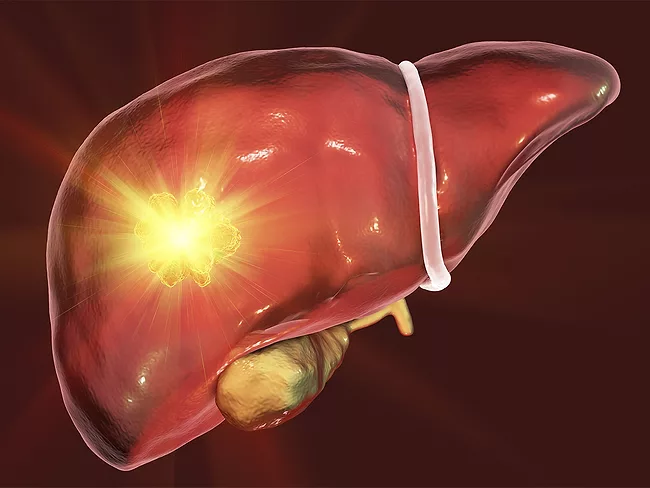
It’s been a long road, but Astrazeneca plc’s anti-CTLA4 antibody, tremelimumab, finally earned its first U.S. FDA nod, cleared for use in combination with anti-PD-L1 drug Imfinzi (durvalumab) to treat patients with unresectable hepatocellular carcinoma (HCC). The commercial impact of the dual checkpoint therapy, however, remains to be seen, as it goes up against Roche Holding AG’s combination of Avastin (bevacizumab) and Tecentriq (atezolizumab), which gained standard-of-care status in first-line HCC in 2021.
Maxinovel Pharmaceuticals Inc. raised ¥100 million ($13.8 million) in a series C+ round to develop its candidates for acute myeloid leukemia, solid tumors, and autoimmune diseases.
Suzhou Zelgen Biopharmaceuticals Co. Ltd. reported a phase III trial testing the company’s deuterium-substituted sorafenib derivative donafenib in patients with progressive locally advanced or metastatic radioactive iodine-refractory differentiated thyroid cancer met its primary endpoint following a preplanned interim analysis which found the drug significantly prolonged median progression-free surviva vs. a placebo.
A second death in the study of davoceticept (ALPN-202) has prompted Alpine Immune Sciences Inc. to stop enrolling participants in two phase I studies of the CD28 co-stimulator and dual checkpoint inhibitor, throwing the program’s future into doubt.

 RSS
RSS