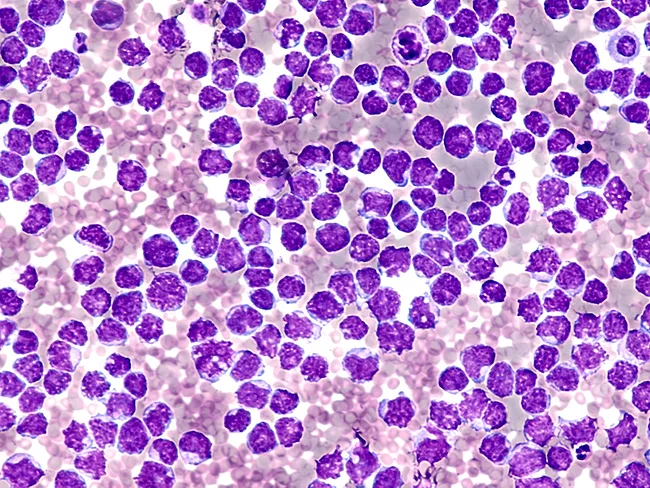
Researchers from Lantern Pharma Inc. presented preclinical data for the small-molecule DNA-damaging agent LP-284, being developed for the treatment of hematological cancers.
Calithera Biosciences Inc.’s in-licensing deal to take ownership of a pair of oncology assets from Takeda Pharmaceutical Co. Ltd. may be on its way to paying off, perhaps especially with regard to the oral Syk/FLT3 inhibitor mivavotinib, formerly known as CB-659/TAK-659.
University of Michigan has described new proteolysis targeting chimeric (PROTACs) compounds comprising cereblon (CRBN) ligands covalently bonded to CREB-binding protein (CBP) and/or histone acetyltransferase KAT3B (p300)-targeting moiety through linker reported to be useful for the treatment of cancer.
Dana-Farber Cancer Institute Inc. has disclosed epidermal growth factor receptor (EGFR) and mutant inhibitors reported to be useful for the treatment of cancer.
While simultaneous targeting of PD-1 and TGF-β has been previously suggested to be a favorable strategy to reverse immune checkpoint inhibitor (ICI) resistance of tumors, the hydrophobicity of TGF-β inhibitors and latent drug-related adverse events of this treatment hindered its utility.
Cancer-associated fibroblasts (CAF) expressing the LRRC15 protein (leucine-rich repeat-containing protein 15) could be responsible for the suppression of antitumor immunity, according to a study using mouse models of pancreatic cancer. Scientists from Roche Holding AG subsidiary Genentech Inc. demonstrated in vivo that TGF-β type 2 receptor signaling in healthy universal fibroblasts produces cancer-associated LRRC15+ myofibroblasts.
Flare Therapeutics Inc. has synthesized peroxisome proliferator-activated receptor γ (PPARγ) inverse agonists reported to be useful for the treatment of bladder cancer.
Hitgen Ltd. has divulged NUAK family SNF1-like kinase 1 (NUAK1) and/or NUAK family SNF1-like kinase 2 (NUAK2) inhibitors reported to be useful for the treatment of cancer.
Viva Star Biosciences Ltd. has presented son of sevenless homolog 1 (SOS1)/GTPase KRAS interaction inhibitors reported to be useful for the treatment of cancer.
 RSS
RSS