Increased expression and elevated levels of matrix metalloproteinase-2 (MMP-2) and MMP-9 play a role in impaired cardiac function. These MMPs make for essential targets in the treatment of heart failure, specifically heart failure with preserved ejection fraction (HFpEF).
Calcium/calmodulin-dependent protein kinase II (CaMKII) is involved in the regulation of calcium and its hyperactivation can lead to cardiac issues, particularly with rhythm and contraction.
Immune checkpoint inhibitor (ICI) treatment reduced levels of estrogen and important heart-protective proteins, researchers reported in the Nov. 2, 2022, online edition of Science Translational Medicine. Hormone therapies could target this endocrine-cardiac-immune pathway and mitigate myocarditis risk without affecting treatment responses.
Investigators from 35Pharma Inc. carried out in vivo testing of HS-135, an activin-receptor-based fusion protein (ActRIIB ligand trap), focusing on target engagement, effect on body composition and efficacy in pulmonary arterial hypertension (PAH).
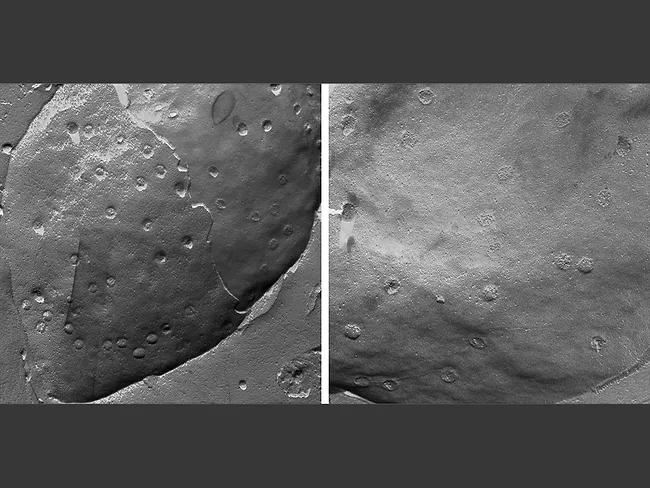
As they matured from prenatal to adult, heart cells reduced the number of nuclear pores by more than 60%. That decrease protected them from the consequences of stress, but also impaired their ability to regenerate. “These findings are an important advance in fundamental understanding of how the heart develops with age and how it has evolved to cope with stress,” senior author Bernhard Kühn, professor of pediatrics and director of the Pediatric Institute for Heart Regeneration and Therapeutics at the University of Pittsburgh School of Medicine, said in a press release. Kühn and his colleagues published those findings in the Oct. 24, 2022, issue of Developmental Cell.
Vivasc Therapeutics Inc. has initiated work under a second National Institutes of Health (NIH) phase I STTR research grant, in conjunction with Georgetown University.
Shire Human Genetic Therapies Inc. has discovered new plasma kallikrein (KLKB1) inhibitors reported to be useful for the treatment of hereditary angioedema and diabetic macular edema.
Researchers from the International Centre for Genetic Engineering and Biotechnology and colleagues have worked on the systematic identification of cellular proteins that can exert cardioprotective activity after a myocardial infarction (MI).
 RSS
RSS