Jiangsu Hansoh Pharmaceutical Group Co. Ltd. and Shanghai Hansoh Biomedical Co. Ltd. have identified dual antagonists of endothelin ETA receptor and angiotensin AT1 receptor reported to be useful for the treatment of diabetes, hypertension and renal disorders.
Homozygous familial hypercholesterolemia (HoFH) is a severe rare life-threatening condition where high blood levels (>500 mg/dL) of low-density lipoprotein cholesterol (LDL-C), triglycerides (TG), and premature and progressive atherosclerotic cardiovascular disease (ASCVD) are the main features.
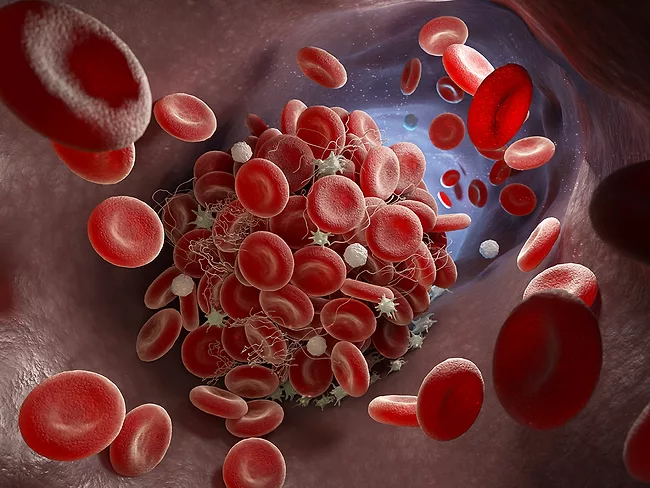
Current antithrombotic therapies for the prevention and management of cardiovascular disorders such as thrombosis, myocardial infarction (MI) or stroke present an associated risk of bleeding. The essential events leading to the formation of hemostatic clots are platelet activation and fibrin formation. When activated, the prostacyclin (IP) receptor prevents platelet aggregation in arteries and veins after injury.
Actelion Pharmaceuticals Ltd. has disclosed platelet-derived growth factor receptor beta (PDGFR-β) inhibitors reported to be useful for the treatment of pulmonary arterial hypertension.
Coronary artery disease (CAD) will likely remain the worldwide leading cause of death for the next couple of decades. Genome-wide association studies (GWAS) have been useful to identify hundreds of genomic loci that contribute CAD risk.

 RSS
RSS