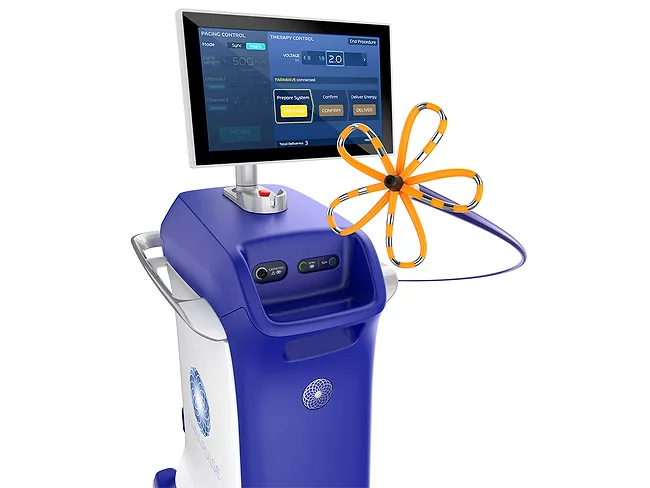
Boston Scientific Corp. cut its guidance for the year on the back of increasing pressure on its Watchman and electrophysiology businesses, two units which have performed strongly in recent years.
Boston Scientific Corp. came out the all-around winner July 27 when the U.S. Court of Appeals for the Federal Circuit reversed a jury verdict that found the med-tech company’s drug-eluting coronary stent systems infringed a University of Texas System patent.
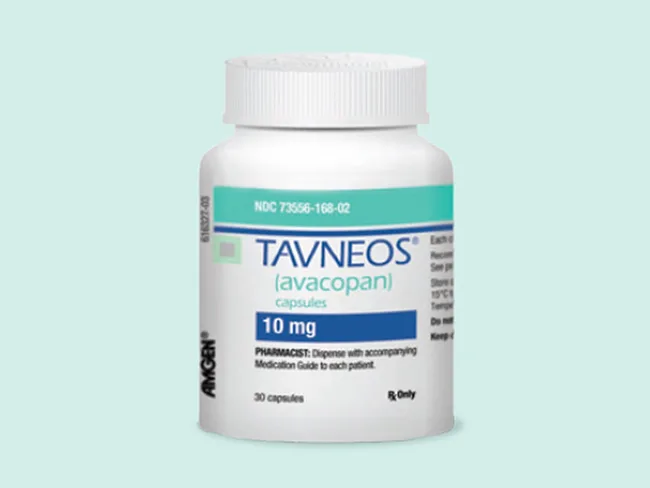
The fight to keep Tavneos (avacopan) on the market is continuing, with Amgen Inc. submitting its defense of the vasculitis drug to the U.S. FDA just as the July 29 deadline approached. The submission is in support of a request for a hearing on Tavneos after the FDA proposed on April 30 that the marketing approval be annulled.
With its stock price falling as much as 70% July 27, Capricor Therapeutics Inc. took the rare step of issuing a news release to explain the negative tone of the U.S. FDA’s briefing document for the July 29 Cellular, Tissue and Gene Therapies Advisory Committee meeting to discuss the company’s BLA for deramiocel to treat cardiomyopathy in Duchenne muscular dystrophy.
New drug approvals, financings and deals were seen across the Asia-Pacific biotech sector this week, with China’s National Medical Products Administration (NMPA) granting clearances to Takeda Pharmaceutical Co. Ltd.’s oral orexin receptor 2 agonist oveporexton for narcolepsy, as well as Haisco Pharmaceutical Group’s ciprocopan (HSK-39297) for paroxysmal nocturnal hemoglobinuria.
Continuing the year’s strong IPO activity, Scribe Therapeutics Inc. priced an upsized offering at the high end of its price range, offering 8.6 million shares at $15 apiece for gross proceeds of about $129 million. The company, which is developing CRISPR-based therapies targeting cardiovascular and metabolic diseases, began trading on Nasdaq under the ticker SCTX, with shares getting a warm welcome, opening at $25 and ending the day at $21.65, up 44.3%.
After a decade of research, the NIH 4D Nucleome program on July 23 delivered a wealth of new insights into how spatial changes in chromatin structure and DNA methylation regulate gene expression in health and disease. In a collection of eight papers published in Science and Science Advances, researchers describe how they have applied single-cell level multi-omics data and tools and techniques developed in the first part of the 4D Nucleome program to track changes in the noncoding part of the genome that are involved in heart disease, Alzheimer’s disease, brain aging, retinal health and immune cell development.
Scoring high marks on two more phase III obesity trials, this time involving serious type 2 diabetes and cardiovascular complications, Eli Lilly and Co. has cleared the path for a BLA filing for its triple-G candidate retatrutide, which many expect will eventually surpass the top two marketed drugs in the space.
Once again, Arrowhead Pharmaceuticals Inc.’s Redemplo (plozasiran) is hot on the heels of Ionis Pharmaceuticals Inc.’s Tryngolza (olezarsen). Less than a month after the latter gained U.S. FDA approval for use in severe hypertriglyceridemia (sHTG), Arrowhead reported positive top-line results from its phase III studies in sHTG, with findings described by one analyst as “best-case scenario,” setting the stage for a supplemental NDA filing with the FDA before year-end.
AMT Medical BV reported positive one-year data from a study looking at its ELANAdevice, a sutureless coronary bypass technology designed to simplify one of the most technically demanding steps in coronary artery bypass grafting, and potentially expand use of the minimally invasive procedures.
 RSS
RSS