Taiwan plans to invest NT$24 billion (US$752 million) over four years to bolster national biosecurity, expand domestic pharmaceutical production and safeguard against global supply chain volatility.
Although Aisa Pharma Inc’s cilnidipine (AISA-021) failed to meet the primary endpoint, multiple secondary endpoints showed statistically significant improvement in treating sclerosis-associated Raynaud's phenomenon, potentially positioning the drug for a phase III program in a disease with no approved oral therapies globally.
Entering its first major cardiovascular disease collaboration with a biopharma company, while it advances two internal gene therapies, Tenaya Therapeutics Inc. signed on with Alnylam Pharmaceuticals Inc. to deliver up to 15 novel genetic targets that could lead to new heart disease medicines. The deal comes with $10 million up front, and up to $1.13 billion is available to South San Francisco-based Tenaya if all targets meet certain milestones, leading to approved therapeutics that Alnylam develops and commercializes.
Polares Medical SA raised $50 million in a series C financing round for Mrace, its posterior leaflet replacement system designed to treat mitral regurgitation.
Another phase III failure of Theravance Biopharma Inc.’s norepinephrine reuptake inhibitor ampreloxetine to treat symptomatic neurogenic orthostatic hypotension, this time in patients with the rare disease multiple system atrophy, means the end of the company’s R&D efforts. Cutting its workforce in half and terminating all development of ampreloxetine, its only pipeline product, the Dublin-based company’s shares (NASDAQ:TBPH) sank by 26%, or $4.99, to close March 3 at $13.96.
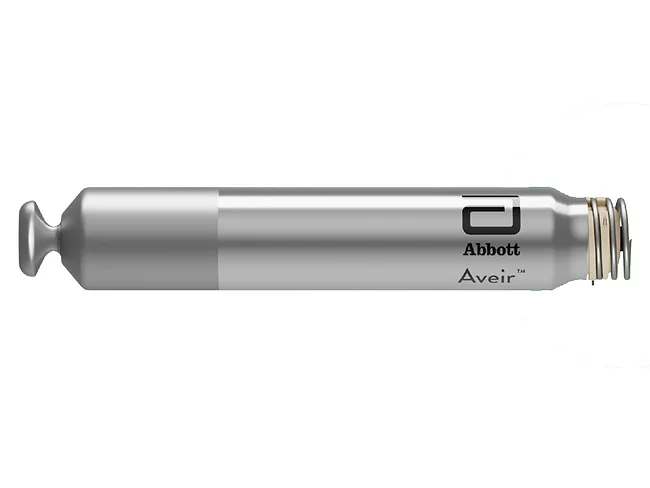
The U.K.’s National Institute for Health and Care Excellence (NICE) recommendation that leadless cardiac pacemakers be used as the standard of care for people with slow heart rhythms (bradyarrhythmias) is a boon for more than 2 million individuals living with the condition. The use of the technology will transform patients’ quality of life, reduce rates of infections and lower costs for the health care system.
Targeting rare cardiomyopathy conditions with no approved disease-modifying therapies, Atrium Therapeutics Inc. started operations in San Diego, assuming the public listing and technology once held by Avidity Biosciences Inc., an RNA company acquired by Novartis AG for about $12 billion. Novartis closed the M&A, announced last October, as Atrium unveiled its pipeline and a $270 million cash position.
China’s National Medical Products Administration has accepted for review Jiuyuan Genetic Biopharmaceutical Co. Ltd.’s drug application for Jikeqin, a biosimilar product to Novo Nordisk A/S’s Wegovy (semaglutide) for obesity.
GSK plc is paying $950 million cash to acquire 100% of 35Pharma Inc.’s equity and pipeline, including phase II-ready candidate HS-235 for pulmonary hypertension. The acquisition agreement comes a day after GSK added two small interfering RNA assets from Nanjing, China-based Frontier Biotechnologies Inc. through a license deal reaching up to $1 billion.
An “outsized placebo response” is not stopping Gossamer Bio Inc. from seeking a path to potential approval of inhaled tyrosine kinase inhibitor seralutinib in pulmonary arterial hypertension (PAH), but the missed primary endpoint in the phase III Prosera study sent shares of the company (NASDAQ:GOSS) tumbling 80% and left investors skeptical going forward.
 RSS
RSS