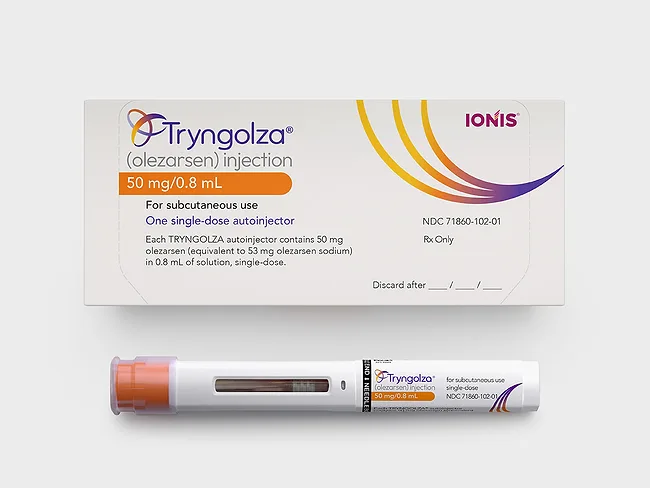
As expected, and following impressive phase III data released last September, Ionis Pharmaceuticals Inc. won U.S. FDA approval of Tryngolza (olezarsen) for adults with severe hypertriglyceridemia, unlocking a larger indication and one that held both priority review and breakthrough therapy designations.
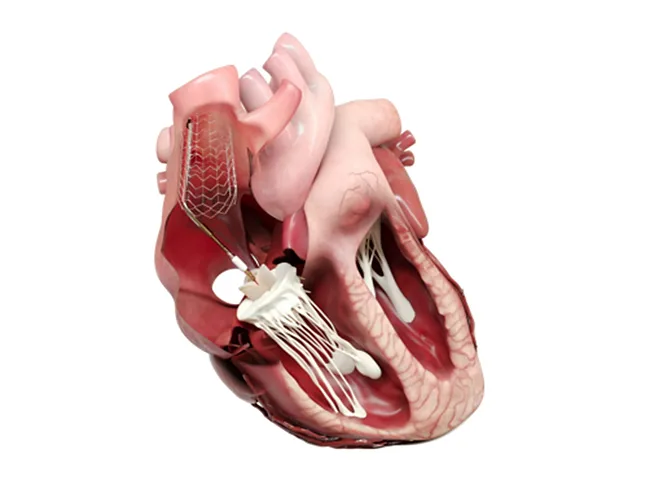
Croívalve Ltd. secured a further $20 million in series B financing for its Duo Adapt system, a transcatheter device that treats tricuspid regurgitation. The company also received $7 million from the European Innovation Council and the Disruptive Technologies Innovation Fund in grant financing. Croívalve will use the funds to expand its clinical study, which is evaluating the safety and performance of the Duo Adapt system in patients with severe or greater symptomatic tricuspid regurgitation.
Europe must focus on prevention and innovation to ensure its health care systems are sustainable in the long term, said Olivér Várhelyi, European commissioner for health and animal welfare. With an aging population, rising chronic diseases, a stretched workforce and geopolitical tensions, the universal health coverage that Europeans enjoy is under threat, he told delegates at the HLTH Europe conference in Amsterdam last week.
Cardiovascular-focused Kardigan Inc. is the latest biopharma firm to take advantage of the wide open IPO window, pricing an upsized offering of 25 million shares at $16 per share, the high end of its proposed range, to rake in gross proceeds of about $400 million.
Chinese peptide therapeutics developer Shaanxi Micot Pharmaceutical Technology Co. Ltd. is seeking up to HK$1.22 billion (US$155 million) in a Hong Kong IPO to advance its lead phase III chronic kidney disease candidate, MT-1013, and next-generation obesity therapies.
Demonstrating better tolerability and safety in comparison with standard of care, Edgewise Therapeutics Inc.’s EDG-7500 is moving toward a phase III trial for both obstructive and nonobstructive hypertrophic cardiomyopathy (HCM), the most common form of genetic heart disease. Boulder, Colo.-based Edgewise reported top-line phase II results from part D of the Cirrus-HCM trial, showing meaningful responses in terms of hemodynamics, biomarkers and patient-reported measures.
Fresh off a deal with Travere Therapeutics Inc. for civorebrutinib worth more than $1.14 billion, Everest Medicines Ltd. went on a shopping spree, striking three deals in six days to expand its pipeline and geographic reach across Asia Pacific.
The U.S. Supreme Court handed Hikma Pharmaceuticals and the entire generic industry a big victory June 4 with its 9-0 opinion ensuring the future of skinny labels and correcting the Federal Circuit’s flawed understanding of infringed inducement.
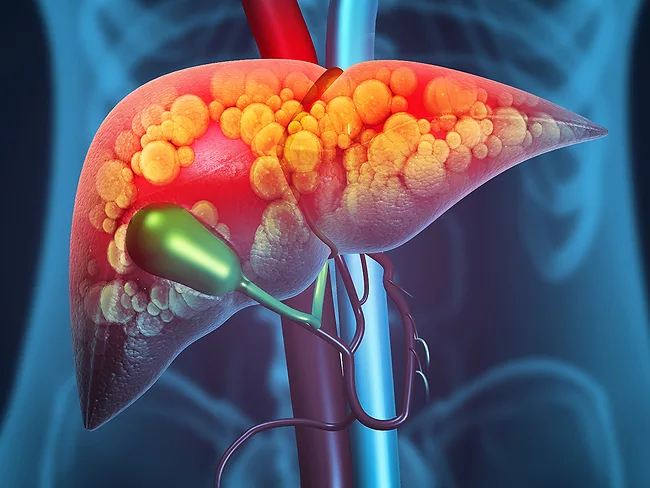
D&D Pharmatech Inc. announced May 27 positive top-line tissue biopsy results of zabopegdutide (DD-01) from a 48-week phase II study of metabolic dysfunction-associated steatohepatitis (MASH), pushing company shares up 30% on the day.
As the most active biopharma acquirer of 2026, Eli Lilly and Co. offered to buy three vaccine companies for up to $3.8 billion combined, while it simultaneously released positive early clinical results of a gene editing medicine brought into the fold last year through its buyout of Verve Therapeutics Inc.
 RSS
RSS