Three decades of trial-and-error, and the resulting safety data, in the oligonucleotide-based therapeutic space have paved way for the present-day innovations and the promise of “programmable,” precision medicine for patients, speakers at Bio Korea 2026 said April 28.
The U.S. Supreme Court’s ruling in Hikma Pharmaceuticals USA Inc. v. Amarin Pharma Inc. could either discourage the development of generic drugs under a skinny label or make innovators think long and hard about investing hundreds of millions of dollars in developing new indications for drugs already on the market.
New data on pulsed field ablation (PFA) presented at Heart Rhythm 2026 in Chicago over the weekend continue to show the benefits and superiority of the technologies in treating patients with atrial fibrillation. The PFA landscape is fast-evolving and med-tech players are jostling for market share with ever-differentiated platforms looking to attract electrophysiologists.
Pulnovo Medical Ltd. secured $100 million in a financing round led by Medtronic plc for its pulmonary artery denervation system to treat pulmonary hypertension.
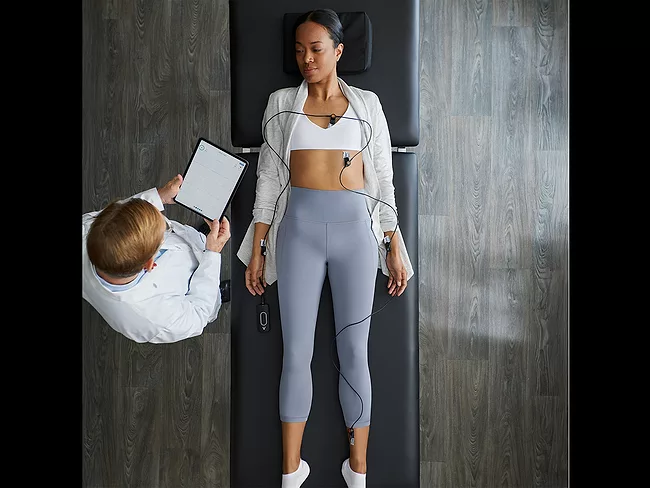
Alivecor Inc. has secured CE marking for its Kardia 12L electrocardiogram (ECG) system, which is powered by its KAI 12L AI technology and can detect life-threatening cardiac conditions. Kardia 12L is a portable, AI-guided, 12-lead ECG solution that delivers measurements and interpretations similar to standard 12-lead ECG solutions, right at the point of care. The company said the simplified design will enable faster acquisition of complete ECG data while leading to better patient outcomes.
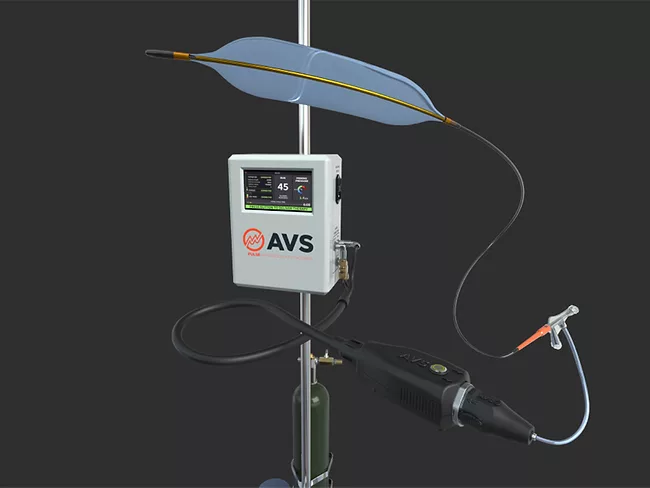
Stryker Corp. has signed a definitive agreement to acquire Amplitude Vascular Systems Inc. (AVS) in a bid to strengthen its Peripheral Vascular portfolio, by adding a revascularization technology.
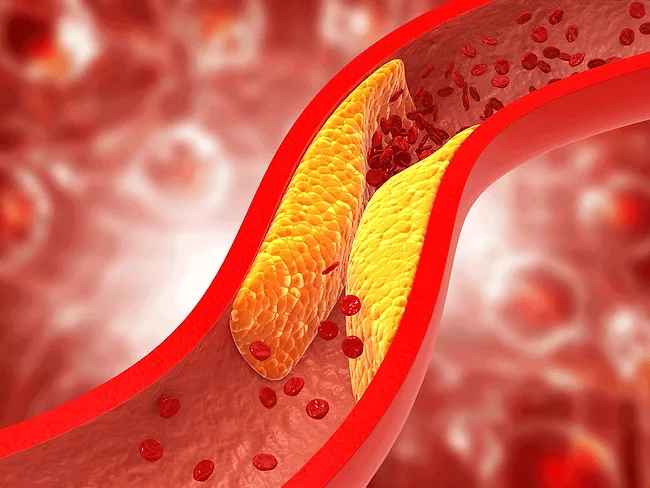
Abstracts released ahead of the American College of Cardiology meeting held in late March in New Orleans, along with the start of dosing near the end of January in Novartis AG’s phase IIb trial with siRNA therapy DII-235, also known as BW-20829, perked up the already-lively lipids/heart space.
There are new data to chew over in the ongoing controversy about obesity being diagnosed as a disease from a study tracking 157,159 participants in the UK Biobank over 13 years. This shows that even in the absence of any metabolic disturbance such as elevated lipids, high blood pressure or diabetes, there is an increased risk of heart attack, stroke, peripheral arterial disease, heart failure and liver disease in people with a body mass index over 30.
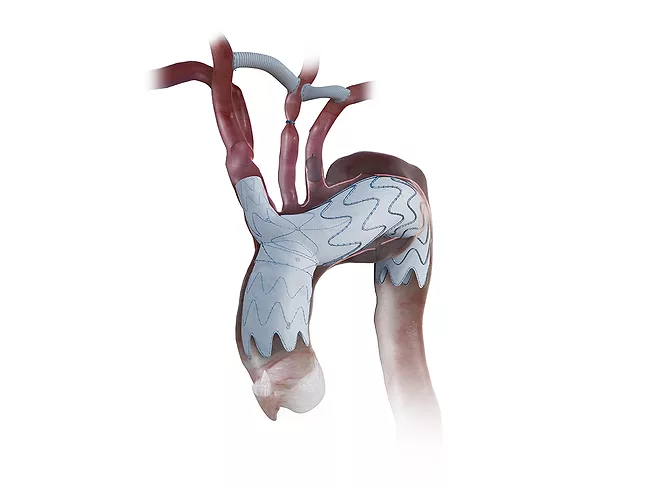
Endospan Ltd. Secured U.S. premarket approval for its Nexus aortic arch stent graft, bringing the company closer to being acquired by Artivion Inc. Under the terms of an existing agreement, Artivion has an option to acquire Endospan at any time within 90 days of the FDA approval.
Everest Medicines Ltd. has agreed to acquire a Singapore-based commercial unit of Hasten Biopharmaceuticals (Asia) Ltd. for $150 million up front, gaining market authorization holder rights to 14 marketed products originally developed by Takeda Pharmaceutical Co. Ltd.
 RSS
RSS