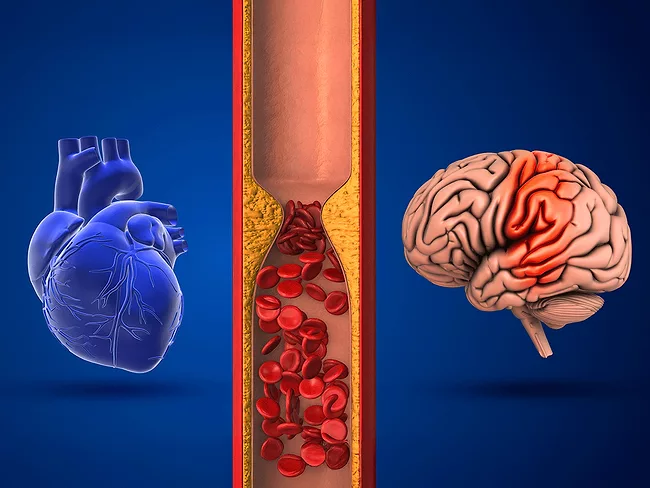
At the 2025 Alzheimer’s Association International Conference (AAIC), one of the bigger splashes was made by a cardiovascular drug. In a presentation on July 30, Newamsterdam Pharma Co. NV presented data showing that its cholesterol drug obicetrapib lowered levels of the Alzheimer’s Disease biomarker p-tau217.
With reduced sales and operating expectations for the rest of the year, Novo Nordisk A/S is on the receiving end of a huge stock drop. For a big pharma, where the stock drops are usually more modest, the shares (NASDAQ:NVO) fell off a cliff on July 29, closing 21.8% downward to $53.93 each, the lowest price per share in the past 12 months. Lower U.S. sales of semaglutide blockbusters Wegovy and Ozempic for treating obesity and diabetes are at the heart of the plunge. In May, the Danish company had expected 13% to 21% sales growth but now is looking at only 8% to 14%.
Apnimed Inc.’s lead oral therapy for obstructive sleep apnea has delivered a second round of positive phase III data, bringing a potential U.S. FDA filing closer. Top-line results taken from the second pivotal late-stage study show AD-109 (aroxybutynin 2.5mg/atomoxetine 75 mg) hit its primary endpoint with clinically meaningful and statistically significant drops in airway obstruction at 26 weeks.
After expanding development of DM-199 (rinvecalinase alfa) into preeclampsia last year, Diamedica Inc. rolled out early phase II results showing the recombinant form of human tissue kallikrein-1 reduced the mother’s blood pressure, did not cross the placental barrier, and potentially improves blood flow to the fetus.
Astrazeneca plc reported results from its BaxHTN phase III trial showing aldosterone synthase inhibitor (ASI) baxdrostat met primary and secondary endpoints in patients with uncontrolled or treatment-resistant hypertension. The news marks a positive outcome of the company’s $1.8 billion gamble on Cincor Pharma Inc. in 2023, and keeps baxdrostat in the race with Mineralys Therapeutics Inc., which has said it anticipates a pre-NDA meeting this year for its ASI, lorundrostat, after reporting pivotal hypertension data in March 2025.
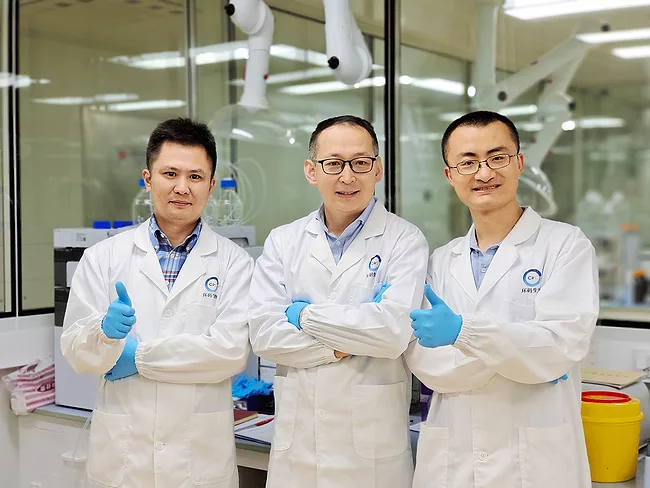
Shanghai Circode Biomed Co. Ltd. is set to begin clinical trials of HM-2002, a circular RNA (circRNA)-based drug for ischemic heart disease, having gained IND clearance in China Jan. 10 and the U.S. on May 30, Circode CEO Chenxiang Tang recently told BioWorld.
Capricor Therapeutics Inc. received a complete response letter (CRL) from the U.S. FDA on the BLA for deramiocel to treat cardiomyopathy in Duchenne muscular dystrophy patients. The company’s CEO said the letter was unexpected.
In the second largest M&A deal of the year, Merck & Co. Inc. has strengthened its cardiopulmonary portfolio with the $10 billion acquisition of London-based Verona Pharma plc. The deal brings Merck Ohtuvayre (ensifentrine) for chronic obstructive pulmonary disease.
After delaying a June PDUFA date, the U.S. FDA has approved Kalvista Pharmaceuticals Inc.’s Ekterly (sebetralstat) for hereditary angioedema (HAE) in those aged 12 and older. The plasma kallikrein inhibitor now joins a market with previously approved drugs for the rare, genetic, life-threatening condition, as well as other companies with HAE drugs in development. Ekterly is the first orally-delivered on-demand treatment, as all others in the U.S. are intravenously or subcutaneously administered.
Torrent Pharmaceutical Ltd. will buy J. B. Chemicals and Pharmaceuticals Ltd. (JB Pharma) from private equity firm KKR & Co. Inc. at an equity valuation of ₹256.89 billion (US$3 billion), which will then merge into one entity under Torrent Pharma.
 RSS
RSS