Using step counts and heart rate readings from Google’s Fitbit devices, a machine learning model accurately predicted the risk of hospitalization, a study presented at Heart Rhythm 2025 found. The study used data from participants in the National Institutes of Health’s All of Us research program.
Jiangsu Hengrui Pharmaceuticals Co. Ltd. is the latest mainland China pharmaceutical company to seek a capital raise on the Hong Kong stock exchange, winning clearance April 28 from the China Securities Regulatory Commission to float new H-shares.
A recent study by researchers from Texas A&M University presented a new vaccine designed to target the ligand-binding domain of the serotonin 2A receptor (5-HT2AR), which resides in the second extracellular loop (EL2) and was previously identified as the key region for receptor activation. The new candidate, called EL2-5HTVac, was shown to provide a long-lasting and selective therapeutic approach to avoid increased bleeding risk complications.
Rona Therapeutics Co. Ltd. has obtained IND clearance from China′s National Medical Products Administration (NMPA) for RN-1871, a small interfering RNA (siRNA) drug targeting angiotensinogen (AGT) for hypertension.
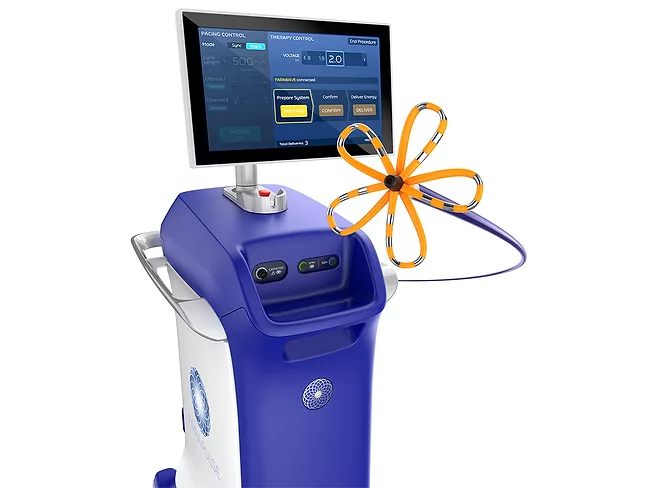
Growth in the first quarter for Boston Scientific Corp.’s blockbuster products, Farapulse and Watchman, pushed the company well over analysts’ expectations and gave management confidence to raise its guidance for the year to 15% to 17% up from 12.4% to 14.5%, despite a projected $200 million in tariff impacts.
AMT Medical BV raised $25 million in a series B financing round for its Excimer Laser Assisted Non-Occlusive Anastomosis heart bypass system. The funds will go towards clinical trials and regulatory approval for its sutureless coronary bypass technology designed to replace traditional open-heart bypass surgery.
Tightening of U.S. regulation and capital is leading Chinese biotechs to alternative and new models of financing, ranging from cross-border licensing deals, M&As, the so-called newco model and overseas listings.
Bristol Myers Squibb Co. has identified serum/glucocorticoid-regulated kinase 1 (SGK1) inhibitors reported to be useful for the treatment of fibrosis, cancer, cardiovascular, cerebrovascular, metabolic, inflammatory, neurological and immunological disorders, among others.
Europe was a bigger counterpart to China in pharmaceutical dealmaking than the U.S. last year, speakers at Chinabio Partnering Forum said April 23, and the trend is likely to continue in 2025 with the shuttering of U.S. capital and volatility ailing global markets.
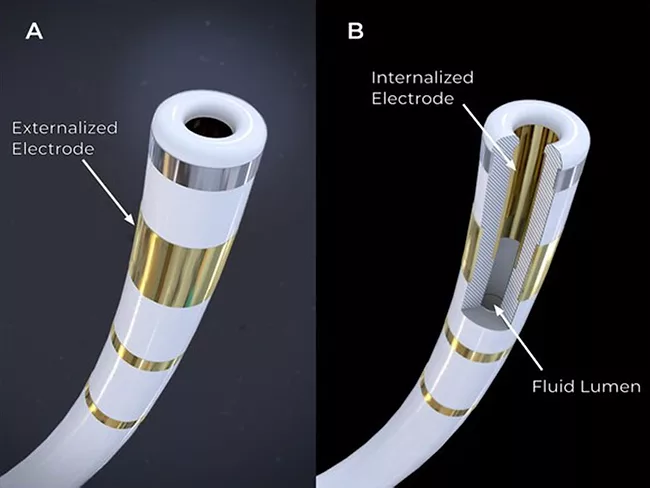
Field Medical Inc. reaped $40 million in its series A fundraising via $20 million in new capital and conversion of $20 million in seed-round debt to support development of its next-generation pulsed field ablation technology. Field Medical’s Fieldforce ablation system targets ventricular tachycardia as its initial use, but also has a study in process for atrial fibrillation.
 RSS
RSS