Shockwave Medical Inc., a unit of Johnson & Johnson Medtech, reported positive 30-day results from the EMPOWER CAD trial, which used its intravascular lithotripsy system in women with complex, calcified coronary artery disease. The results from the first prospective, real-world percutaneous coronary intervention study in female patients confirmed the benefit of coronary patients as seen in other retrospective analyses.
The morning’s negative stock reaction to Tourmaline Bio Inc.’s phase II news with heart drug pacibekitug had some onlookers scratching their heads, even as analysts congratulated the company on results from the ongoing study – a good-news dataset to which the market gradually caught on as the day progressed.
Repair Biotechnologies Inc.’s REP-0003 has been awarded orphan drug designation by the FDA for the treatment of homozygous familial hypercholesterolemia (HoFH).
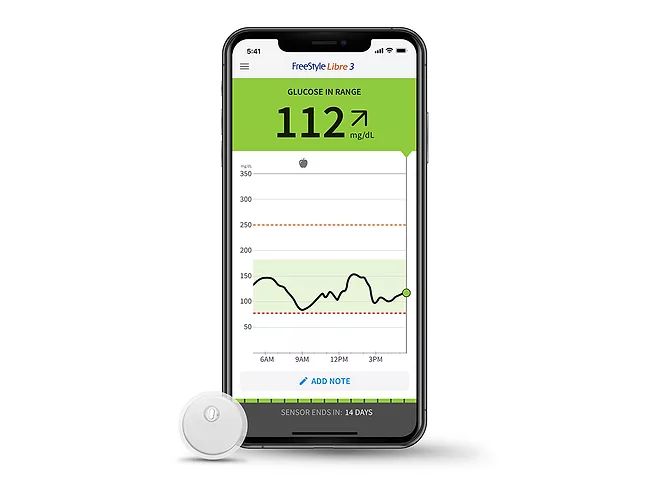
A pair of studies published in Diabetologia demonstrate that use of continuous glucose monitors (CGMs) reduces hospitalizations in people with type 1 diabetes and in those with type 2 diabetes who use insulin compared to use of capillary blood glucose monitoring. Abbott Laboratories’s REFLECT real-world studies showed that use of its Freestyle Libre CGMs reduced the severity of cardiovascular conditions associated with diabetes and, consequently, led to fewer in-patient stays.
One of the main goals in the prevention of cardiovascular disorders is to maintain low-density lipoprotein cholesterol (LDL-C) at consistently low levels to ensure long-term cardiovascular protection. Investigators at Verve Therapeutics Inc. reported preclinical data on VERVE-102, a GalNAc base editing strategy designed to sustainably inactivate the PCSK9 gene and lower LDL-C in familial hypercholesterolemia.
Noridian Healthcare Solutions opened a draft local coverage determination for gene tests for heritable thoracic aortic disease per a request from Invitae Corp., of San Francisco, which makes a comprehensive panel test for aortopathy.
Sirius Therapeutics Inc. raised nearly $50 million in a series B2 financing round May 9 to support its pipeline of small interfering RNA (siRNA) molecules for cardiovascular disease indications. SRSD-107, a long-acting Factor XI anticoagulant for thromboembolic disorders, is its lead candidate waiting on EMA clearance to begin a phase II study in Europe.
Inhibiting the sodium-hydrogen exchanger 1 (NHE1), which simultaneously imports Na+ and exports H+ in cardiac cells, shows therapeutic potential against heart failure.
Sirius Therapeutics Inc. raised nearly $50 million in a series B2 financing round May 9 to support its pipeline of small interfering RNA (siRNA) molecules for cardiovascular disease indications. SRSD-107, a long-acting Factor XI anticoagulant for thromboembolic disorders, is its lead candidate waiting on EMA clearance to begin a phase II study in Europe.
Following last fall’s $1 billion development deal with Eli Lilly and Co., precision medicine company Haya Therapeutics SA has raised $65 million in a series A. It’s all part of increased validation from big pharmas that long noncoding RNAs, such as those being developed by Haya, have a strong future.
 RSS
RSS