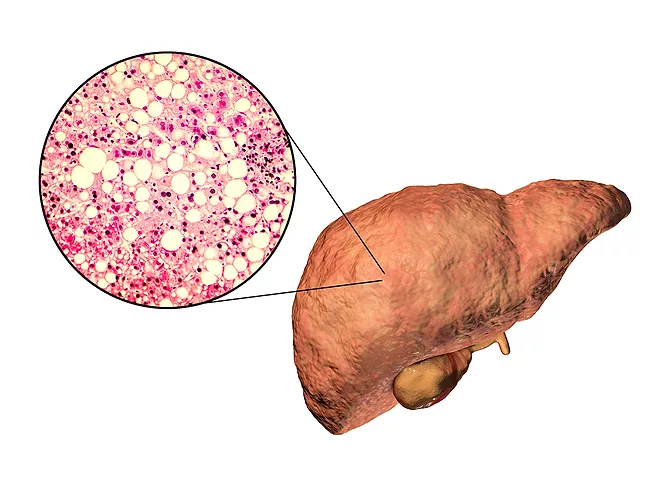
The liver is a key at maintaining glucose and lipid homeostasis, crucial processes for metabolic health. When these processes are disrupted, a series of metabolic disorders may occur, including type 2 diabetes and metabolic dysfunction-associated steatotic liver disease (MASLD).
The U.S. FDA rejected, for the second time, Elevar Therapeutics Inc.’s NDA of a novel combination therapy for advanced liver cancer, which comprised Jiangsu Hengrui Pharmaceutical Co. Ltd.’s PD-1 inhibitor camrelizumab and HLB Co. Ltd.’s small-molecule tyrosine kinase inhibitor, rivoceranib.
Gasherbrum Bio Inc. has described glucagon-like peptide 1 receptor (GLP-1R) agonists reported to be useful for the treatment of type 2 diabetes, dyslipidemia, schizophrenia, hypertension, obesity, stroke, myocardial infarction and gout, among others.
Agios Pharmaceuticals Inc. has synthesized phenylalanine hydroxylase (PAH) R408W mutant stabilizers reported to be useful for the treatment of phenylketonuria.
Ampersand Biomedicines Inc. has secured $65 million in series B funding from investors including Ampersand’s founder, Flagship Pioneering, to support advancement of two lead programs and a new discovery partnership in obesity.
Prime Medicine Inc. has announced its new preclinical program for the treatment of α1-antitrypsin deficiency (AATD). The program is advancing through its final stages of lead optimization, with an IND and/or clinical trial application (CTA) filing anticipated around the middle of next year.
Visen Pharmaceuticals Co. Ltd. announced its initial public offering (IPO) on the Hong Kong Stock exchange (HKEX) to raise roughly HKD$603.3 million (US$77.6 million) to advance its pipeline of endocrinology assets.
Opko Health Inc. and Entera Bio Ltd. have entered into a collaboration and license agreement to advance an oral dual agonist GLP-1/glucagon peptide as a once-daily tablet into the clinic for patients with obesity, metabolic and fibrotic disorders.
Pluvia AS has synthesized pharmacological chaperones able to stabilize phenylalanine hydroxylase (PAH) reported to be useful for the treatment of hyperphenylalaninemia, particularly phenylketonuria (PKU).
The Ca2+ stored in the cellular endoplasmic reticulum (ER) plays a crucial role in protein folding and lipid transfer, and its impairment leads to cellular ER stress. When chronic cellular ER stress occurs in the liver, it triggers the pathogenesis of metabolic dysfunction-associated steatotic liver disease (MASLD) and metabolic dysfunction-associated steatohepatitis (MASH). Previous reports found that NACHT and WD repeat domain containing 1 (NWD1) localized in the ER and mitochondria in neural stem/progenitor cells, but the significance of NWD1 outside the brain is not well known.
 RSS
RSS