Mindrank AI Ltd. completed a $52 million series B round to advance MDR-001, its AI-discovered oral small-molecule GLP-1 receptor agonist, which is in phase III trials for obesity in China.
Shanghai Institute of Materia Medica of the Chinese Academy of Sciences has disclosed new compounds acting as lipid-lowering agents and gluconeogenesis inhibitors potentially useful for the treatment of metabolic diseases.
Anorexia nervosa (AN) is a complex and severe eating disorder that has long been considered a psychiatric condition driven by distorted body image and maladaptive eating behaviors. No effective therapy is currently available. At a symposium held during the recent FENS Forum in Barcelona, several leading researchers with decades of experience in AN presented findings that further strengthen the growing body of evidence supporting the disorder’s metabolic component.
Mindrank AI Ltd. completed a $52 million series B round to advance MDR-001, its AI-discovered oral small-molecule GLP-1 receptor agonist, which is in phase III trials for obesity in China.
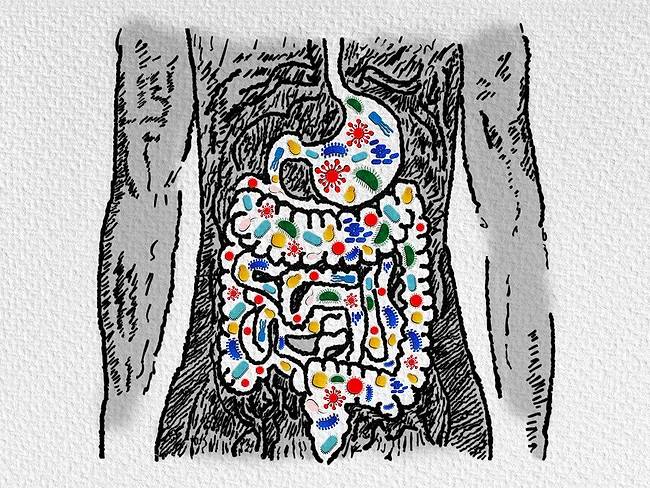
Cancer researchers are increasingly turning to the microbiome to understand why some patients respond well to treatment while others face severe complications. Gut microbial communities shift during intensive therapies such as bone marrow transplantation, and those changes influence infection risk, immune recovery and long‑term survival. New advances in microbial sequencing and engineering redefine this community as a measurable clinical parameter that can be monitored, modeled, and even therapeutically reshaped to improve outcomes in oncology and other conditions.
Rani Therapeutics Holding Inc. has entered into a research and development collaboration with Pegbio Co. Ltd. to explore the delivery of multiple candidates from Pegbio’s obesity and metabolic disease pipeline using Rani’s proprietary Ranipill platform.
Apertura Gene Therapy has entered into a cooperative research and development agreement (CRADA) with the Eunice Kennedy Shriver National Institute of Child Health and Human Development and the National Human Genome Research Institute.
The Advanced Research Projects Agency for Health (ARPA-H), an agency within the U.S. Department of Health and Human Services, has announced the teams for the THRIVE (Treating Hereditary Rare diseases with In Vivo prEcision genetic medicines) program. With a commitment of up to $160 million over 5 years, THRIVE aims to accelerate solutions for rare genetic pediatric diseases across multiple technological approaches, clinical trial designs and deployment models.
Cancer researchers are increasingly turning to the microbiome to understand why some patients respond well to treatment while others face severe complications. Gut microbial communities shift during intensive therapies such as bone marrow transplantation, and those changes influence infection risk, immune recovery and long‑term survival. New advances in microbial sequencing and engineering redefine this community as a measurable clinical parameter that can be monitored, modeled, and even therapeutically reshaped to improve outcomes in oncology and other conditions.
 RSS
RSS