Hanmi Pharmaceutical Co. Ltd. secured a $1.26 billion deal with Eli Lilly and Co. to out-license ex-Korea rights to sonefpeglutide (HM-15912), a Lapscovery-based glucagon-like peptide-2 analog in development for multiple indications, including an ongoing phase II study of short bowel syndrome. It was one of two billion-dollar Asian company deals signed by Lilly on June 1, with the second transaction involving Haisco Pharmaceutical Group Co. Ltd., of Beijing.
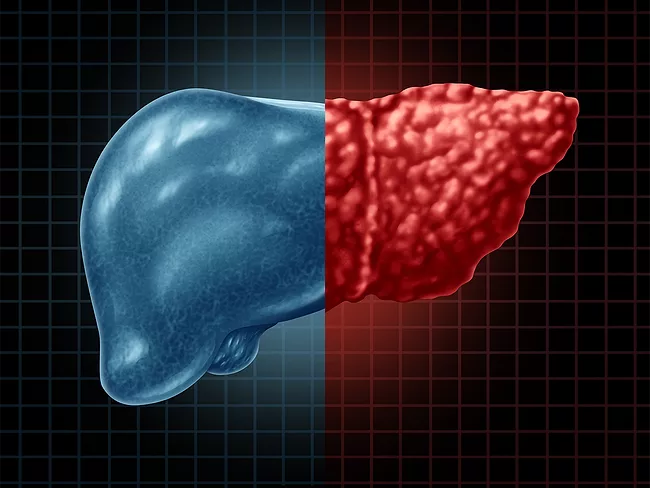
Alterations in PNPLA3, particularly the I148M variant, impair lipid metabolism in hepatocytes, leading to lipid accumulation and driving progression from steatosis to fibrosis and cirrhosis. Targeting this genetic driver may offer a strategy to reduce steatosis and limit disease progression.
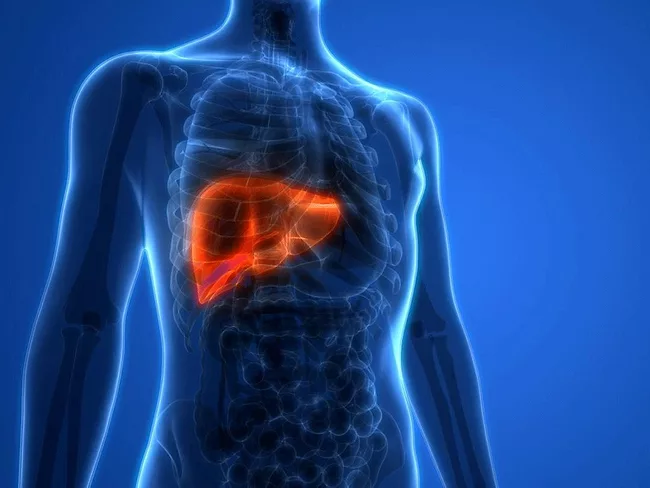
Metabolic dysfunction-associated steatohepatitis (MASH) is characterized by lipid accumulation in the liver and inflammation. Sterol O-acyltransferase 2 (SOAT2) is a key enzyme in intestinal absorption and hepatic secretion of cholesterol. PRD Therapeutics Inc. has developed PRD-001, a selective SOAT2 inhibitor currently in phase I trials for MASH.
Hanmi Pharmaceutical Co. Ltd. secured a $1.26 billion deal with Eli Lilly and Co. to out-license ex-Korea rights to sonefpeglutide (HM-15912), a Lapscovery-based glucagon-like peptide-2 analog in development for multiple indications, including an ongoing phase II study of short bowel syndrome. It was one of two billion-dollar Asian company deals signed by Lilly on June 1, with the second transaction involving Haisco Pharmaceutical Group Co. Ltd., of Beijing.
Muna Therapeutics Aps has patented new dihydropyrrolopyrimidinone compounds acting as triggering receptor expressed on myeloid cells 2 (TREM2) agonists potentially useful for the treatment of osteoporosis, rheumatoid arthritis, systemic lupus erythematosus, type 2 diabetes, obesity, metabolic dysfunction-associated steatotic liver disease (MASLD; NAFLD), neurodegeneration and inflammatory bowel disease, among others.
Deep Apple Therapeutics Inc. has divulged new alkylphenyl substituted compounds acting as gastric inhibitory polypeptide receptor (GIPR) antagonists potentially useful for the treatment of obesity and type 2 diabetes.
Abbott Laboratories received CE mark approval for two dual glucose and ketone sensing systems, bringing to the market sensors that could be transformational to the lives of people with diabetes at risk of diabetic ketoacidosis.
Zhongshan Laibo Ruichen Biomedicine Co. Ltd. has patented new polypeptides and their drug conjugates potentially useful for the treatment of osteoporosis.
Protuoso Biosciences has announced the close of an oversubscribed $9.5 million seed financing round, the proceeds of which will be used to advance its multifunctional protein engineering platform and broad pipeline across cardiometabolic, oncology and autoimmune diseases.
 RSS
RSS