Abbott Laboratories received CE mark approval for two dual glucose and ketone sensing systems, bringing to the market sensors that could be transformational to the lives of people with diabetes at risk of diabetic ketoacidosis.
Zhongshan Laibo Ruichen Biomedicine Co. Ltd. has patented new polypeptides and their drug conjugates potentially useful for the treatment of osteoporosis.
Protuoso Biosciences has announced the close of an oversubscribed $9.5 million seed financing round, the proceeds of which will be used to advance its multifunctional protein engineering platform and broad pipeline across cardiometabolic, oncology and autoimmune diseases.
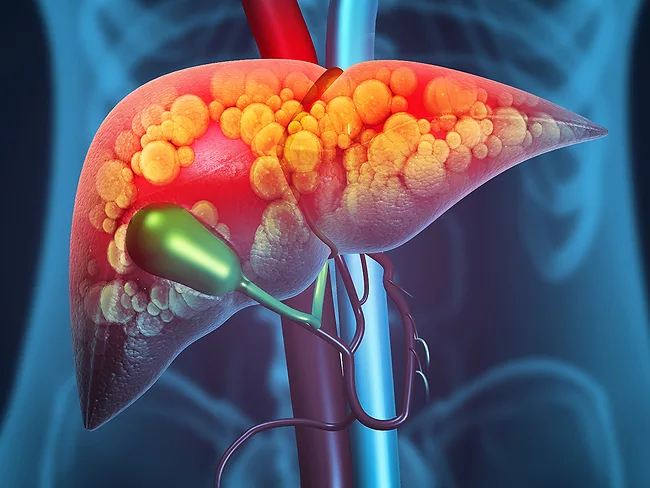
D&D Pharmatech Inc. announced May 27 positive top-line tissue biopsy results of zabopegdutide (DD-01) from a 48-week phase II study of metabolic dysfunction-associated steatohepatitis (MASH), pushing company shares up 30% on the day.
Insulet Corp. has initiated a voluntary medical device correction affecting insulin pump pods in its Omnipod product lines after discovering a manufacturing issue that could lead to the leaking of insulin and the under-delivery of doses in some patients. The company said that some pods from specific lots may have a small tear in the cannula.
Merck Sharp & Dohme LLC (MSD) has disclosed new glucagon-like peptide 1 receptor (GLP-1R) agonists potentially useful for the treatment of obesity and type 2 diabetes.
Kallyope Inc. has identified new gastrin-releasing peptide receptor (GRPR) agonists potentially useful for the treatment of gastrointestinal disorders and obesity.
Newcelx Ltd. has submitted a pre-IND briefing package to the U.S. FDA to support a proposed first-in-human trial of NCEL-101 in combination with tegoprubart, an investigational anti-CD40L monoclonal antibody being developed by Eledon Pharmaceuticals Inc.
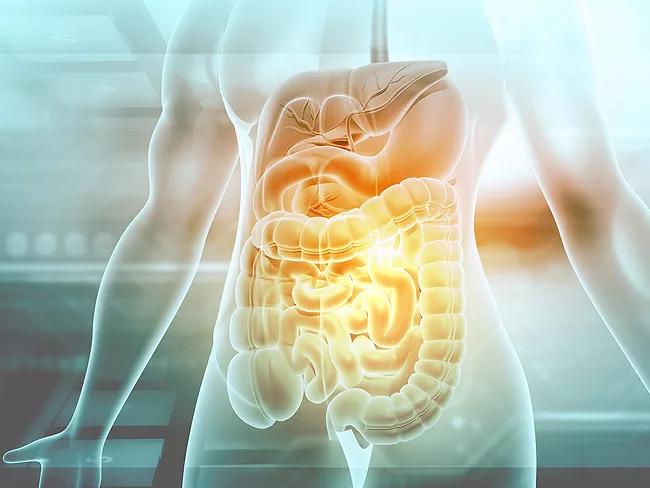
Upbeat phase II news lately from Spyre Therapeutics Inc. in inflammatory bowel disease (IBD) perked not only the company’s stock but also wider interest in the buzzing space, where developers big and small are trying to tackle such chronic bedevilments as Crohn’s disease and ulcerative colitis (UC).
Fabry disease is a lysosomal storage disease tied to the X chromosome and caused by pathogenic variants in the GLA gene encoding galactosidase A. It is characterized by progressive accumulation of galactosidase A substrates, including Gb3 and lyso-Gb3, mainly in the kidney, heart and nervous system.
 RSS
RSS