Eli Lilly and Co. gained more oomph in its weight-loss battle with Novo Nordisk A/S, as the firm highlighted another batch of results from Surmount-5, a phase IIIb open-label trial evaluating the safety and efficacy of Zepbound (tirzepatide), a glucose-dependent insulinotropic polypeptide receptor and glucagon-like peptide-1 (GLP-1) receptor agonist compared to the Novo prospect Wegovy (semaglutide), a mono GLP-1 receptor agonist, in adults with obesity, or overweight with at least one weight-related medical problem and without diabetes.
Beijing QL Biopharmaceutical Co. Ltd. has presented preclinical data on their GLP-1/GDF15 dual agonist QL-1005 for the potential treatment of inflammation and fibrosis in murine models of metabolic dysfunction-associated steatohepatitis (MASH) and chemically induced liver fibrosis.
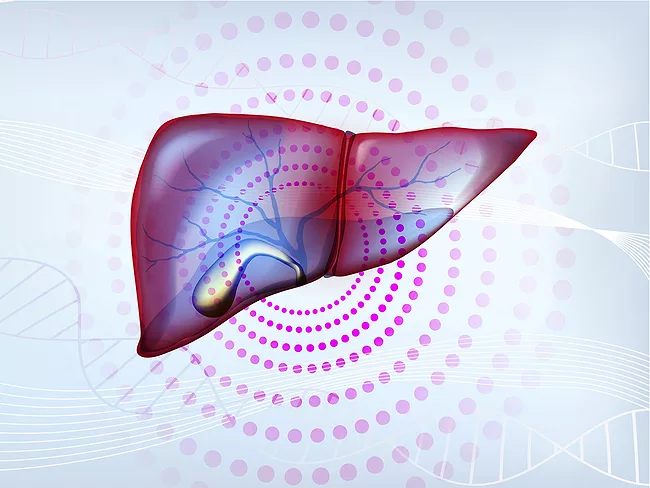
Immunity is not a function most people particularly associate with the liver. But because of its connection to the gut, the liver is exposed to bacterial metabolites as few other organs are. And when either the liver or the gut is not functioning well, it can adversely affect immunity as well. The liver is connected to the gut via both the biliary system and the portal vein. Those two conduits allow metabolites from the gut microbiome to influence what’s going on in the liver. Both liver and gut damage can affect this communication for the worse. And surprisingly, one of the consequences is immune dysfunction.
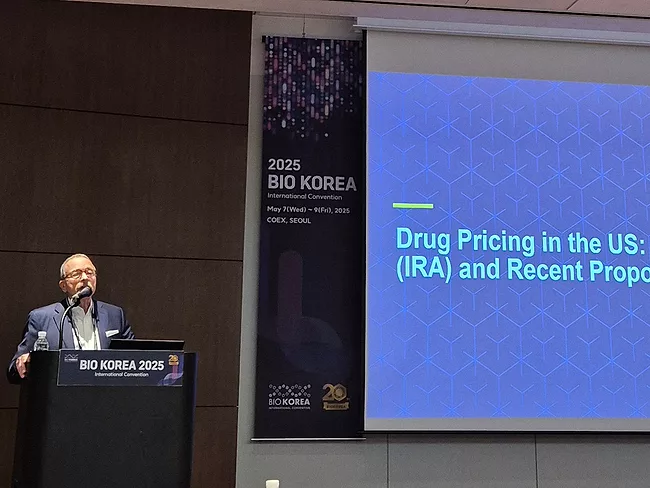
Ongoing policy issues in the U.S., including the Inflation Reduction Act and recent proposals under President Donald Trump’s administration, have wide ranging implications for the global biopharmaceutical industry, speakers at Bio Korea 2025 said May 8, including a heightened need for all biotechs to draft regulatory strategies.
Genprex Inc. and University of Pittsburgh have entered into a new sponsored research agreement (SRA) to study GPX-002, Genprex’s gene therapy for diabetes in animal models of type 1 and type 2 diabetes.
“I’m a pediatrician in metabolic diseases, and every day in my clinical work I’m confronted with our lack in effective therapies for our patients.” That was the sobering introduction by Sabine Fuchs in her talk at the 2025 Congress of the European Association for the Study of the Liver in Amsterdam this week. The nature of metabolic diseases makes it difficult to develop treatments for them. “There are over 1,500 diseases known by now, and it is just very difficult to develop therapies for each and every individual rare disease.”
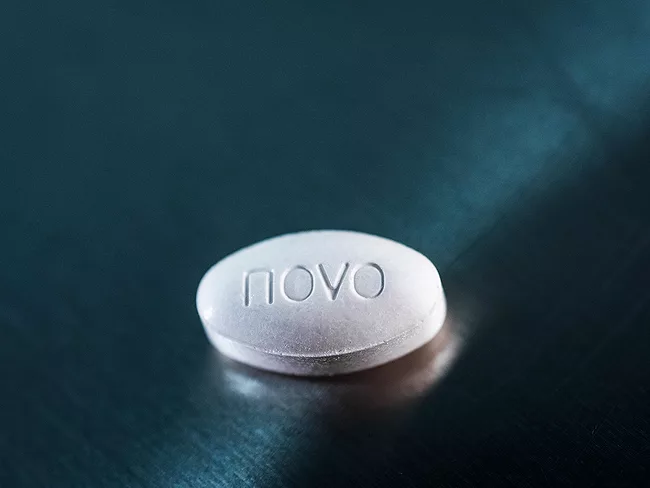
The U.S. FDA has accepted the NDA for an oral formulation of Novo Nordisk A/S’s Wegovy (semaglutide) in treating obesity. If approved, the daily pill will be the first oral GLP-1 for treating chronic weight management. So far, however, it has been injectables leading the way to approval.
Mammoth Biosciences Inc. has nominated its first clinical development candidate – MB-111 – a potential one-time treatment for patients with very high triglycerides, including familial chylomicronemia syndrome (FCS) and severe hypertriglyceridemia. IND-enabling studies are on track to begin this year.
Adult skeletal muscle tolerates a lack of the coenzyme nicotinamide adenine dinucleotide (NAD), according to a study led by scientists at the University of Copenhagen. Their results suggest that adverse effects previously associated with congenital NAD depletion in this tissue may be due to impaired muscle development rather than to a deficiency of this molecule.
Regulus Therapeutics Inc. CEO Jay Hagan told investors in a January call the company had no interest in “simply out-licensing” rights to lead candidate farabursen, an oligonucleotide targeting autosomal dominant polycystic kidney disease set to start phase III testing on a path to a potential accelerated approval. And now, there’s no need to, as Regulus found a buyer for the whole company in a deal with Novartis AG valued at about $1.7 billion.

 RSS
RSS