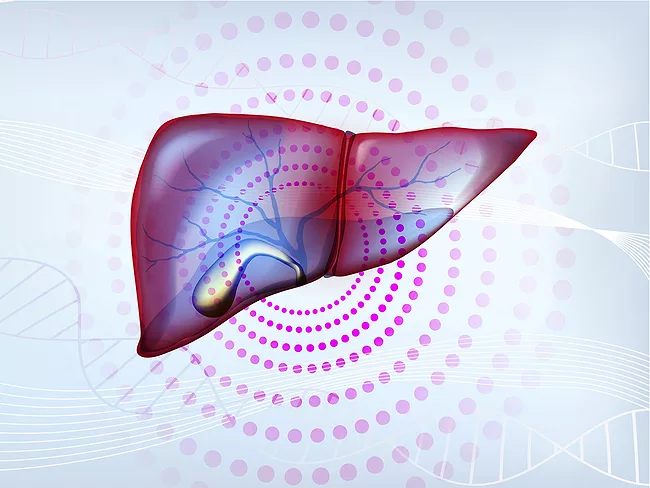
Metabolic dysfunction-associated steatotic liver disease (MASLD), previously known as nonalcoholic fatty liver disease, shows different occurrence between sexes, being less prevalent in premenopausal women than in men or postmenopausal women.
Parvus Therapeutics Inc. has entered into an exclusive worldwide collaboration and option agreement with Abbvie Inc. for the development and commercialization of novel treatments for inflammatory bowel disease (IBD), utilizing Parvus’ Navacim regulatory T-cell (Treg) immune tolerization platform technology.
Entera Bio Ltd. has announced promising pharmacokinetic (PK) results from its collaborative research combining a proprietary long-acting GLP-2 agonist developed by Opko Health Inc. with Entera’s proprietary N-Tab technology.
Nuclear factor erythroid 2-related factor 2 (NRF2) is a master regulator of cytoprotective mechanisms, and the cellular levels of this transcription factor are maintained low under normal conditions via actions of a CUL3-based E3 ligase, Kelch-like ECH-associated protein 1 (KEAP1).
Asialoglycoprotein receptor 1 (ASGR1) is a transmembrane protein specifically expressed in hepatocytes that plays a key role in maintaining circulating glycoprotein homeostasis.
In a recent study published in PNAS, researchers from the University of Texas Southwestern Medical Center investigated cholesterol-mimetic compounds specifically binding and inhibiting Scap. Their final goal was to understand cholesterol regulation by the Scap/SREBP system and identify potential therapeutics for dysregulated lipid metabolism.
Everzom SAS, a CNRS/Université Paris Cité spin-off, has signed a second exclusive license agreement with Erganeo SAS for the development of Evergel, an exosome drug candidate for fistulas and fibrosis of the digestive tract.
Researchers from University of Padova have presented data from a study that aimed to investigate the role of microRNAs (miRs) in the development and progression of inflammatory bowel disease (IBD)-related colorectal cancer (CRC).
Neurenati Therapeutics has closed its seed funding round, securing CA$1.2 million (US$884,000) to advance development of therapies for various rare diseases, including pediatric conditions.
 RSS
RSS