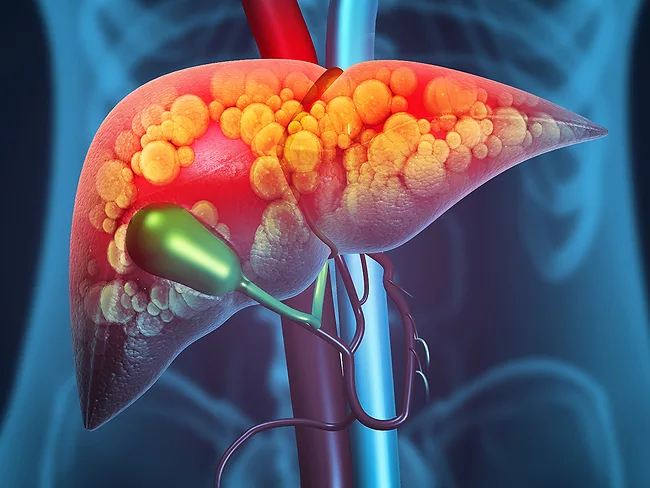
Chronic liver injury promotes hepatic fibrosis through the activation of hepatic stellate cells and excessive extracellular matrix deposition, a process that can progress to cirrhosis and liver cancer. Researchers from Xiamen University used Arenarine D, a natural product isolated from the endophytic fungus Pallidocercospora crystallina, as the starting point for the development of novel antifibrotic agents.
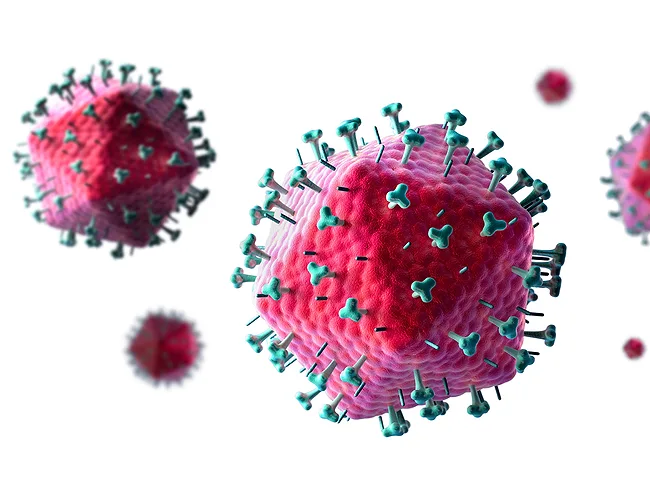
Although antiretroviral therapy (ART) can suppress HIV to undetectable levels, a growing body of evidence suggests that the virus leaves a lasting biological imprint. At the 26th International AIDS Conference (AIDS 2026), researchers reported persistent abnormalities affecting the gut, cardiovascular system, metabolism and immune function despite effective viral control.
Chinese researchers have reported the discovery and preclinical characterization of a series of novel ibuprofen derivatives designed to modulate MAPK signaling and restore intestinal immune homeostasis.
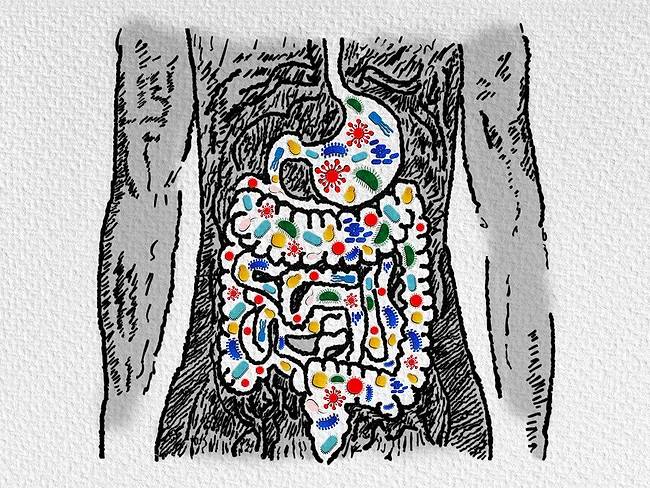
Cancer researchers are increasingly turning to the microbiome to understand why some patients respond well to treatment while others face severe complications. Gut microbial communities shift during intensive therapies such as bone marrow transplantation, and those changes influence infection risk, immune recovery and long‑term survival. New advances in microbial sequencing and engineering redefine this community as a measurable clinical parameter that can be monitored, modeled, and even therapeutically reshaped to improve outcomes in oncology and other conditions.
U&S Bio Co. Ltd. has divulged H+/K+-ATPase inhibitors with improved stability found to be potentially useful for the treatment of gastrointestinal disorders, cancer, Helicobacter pylori infection, sialorrhea, asthma and airways obstruction, among others.
While the emergence of immune checkpoint inhibitor (ICI) therapy in recent years has significantly improved cancer outcomes, some patients have been unable to experience the full therapeutic benefits of ICIs due to significant gastrointestinal inflammation linked to treatment. Seres Therapeutics Inc. is looking to change that with its live biotherapeutic candidate, SER-155, offering impressive findings from phase I data in ICI-related enterocolitis, or irEC.
Cancer researchers are increasingly turning to the microbiome to understand why some patients respond well to treatment while others face severe complications. Gut microbial communities shift during intensive therapies such as bone marrow transplantation, and those changes influence infection risk, immune recovery and long‑term survival. New advances in microbial sequencing and engineering redefine this community as a measurable clinical parameter that can be monitored, modeled, and even therapeutically reshaped to improve outcomes in oncology and other conditions.
Tvardi Therapeutics Inc. rebounded from a phase II blowup last fall in idiopathic pulmonary fibrosis (IPF) with oral STAT3 inhibitor TTI-101 by showing that a next-gen phosphate prodrug dubbed TTI-109 kept its potency in phase I without gastrointestinal (GI) troubles.
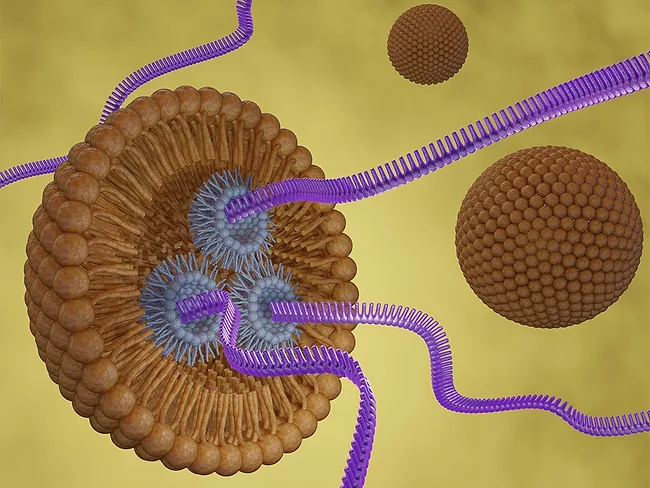
Ribocure Pharmaceuticals AB, a subsidiary of Suzhou Ribo Life Science Co. Ltd., and Madrigal Pharmaceuticals Inc. have achieved the first drug candidate nomination within their siRNA partnership.
Trex Bio Inc. has disclosed that its development candidate TRB-071, currently in IND-enabling studies, is a CD30 agonist antibody. The approach could have therapeutic potential in inflammatory bowel disease and other autoimmune and inflammatory diseases.
 RSS
RSS