Hanmi Pharmaceutical Co. Ltd. secured a $1.26 billion deal with Eli Lilly and Co. to out-license ex-Korea rights to sonefpeglutide (HM-15912), a Lapscovery-based glucagon-like peptide-2 analog in development for multiple indications, including an ongoing phase II study of short bowel syndrome. It was one of two billion-dollar Asian company deals signed by Lilly on June 1, with the second transaction involving Haisco Pharmaceutical Group Co. Ltd., of Beijing.
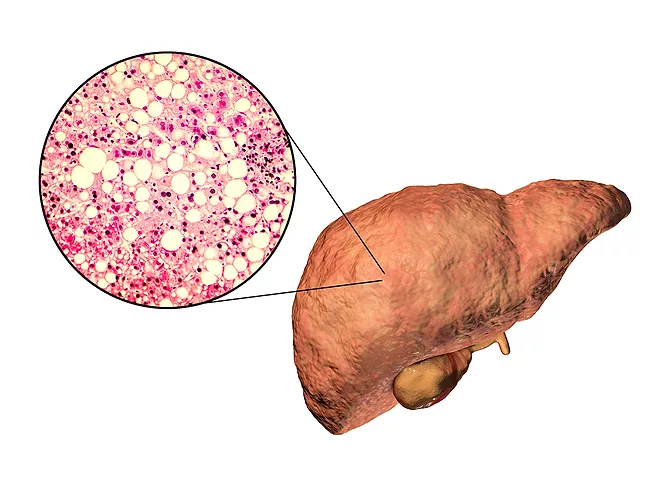
Researchers from Pilatus Biosciences SA recently presented preclinical efficacy data for PLT-012, a humanized IgG4 antibody targeting CD36, in metabolic dysfunction-associated steatohepatitis (MASH) models.
At the recently concluded European Association for the Study of the Liver meeting, presentations underscored how increasingly granular insights into liver pathobiology are driving the rapid identification of new druggable targets across diverse indications.
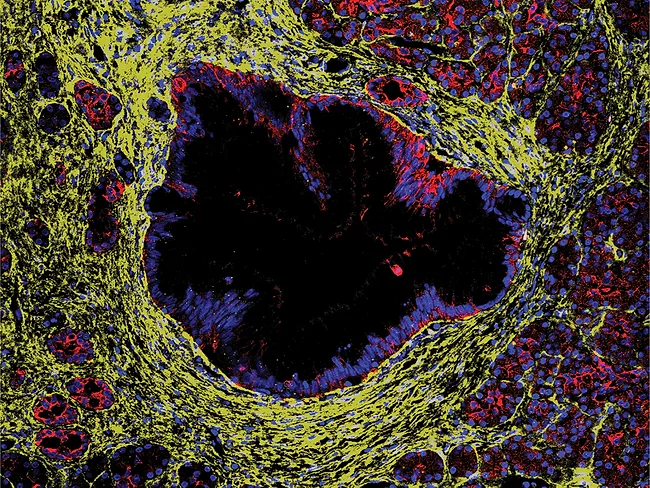
The human pancreas often contains lesions that are common in the population and that, although they can become malignant, usually do not. To understand when this occurs and how these pancreatic cancer precursor lesions, known as pancreatic intraepithelial neoplasias (PanIN), evolve, scientists at the University of Michigan analyzed their gene expression patterns and their cellular microenvironment.
With a historic WHO resolution adopted this week giving countries, for the first time, a mandate to address liver disease affecting 1.5 billion people worldwide, this momentum is strongly reflected at the ongoing European Association for the Study of the Liver 2026 congress in Barcelona. The mandate positions liver disease alongside cancer, cardiovascular disease and diabetes as a core global health priority.
Epirium Bio Inc. has developed a series of small-molecule 15-PGDH inhibitors, the phase II-ready MF-300 and preclinical candidate MF-1305, as potential therapeutics for inflammatory bowel disease (IBD).
At the recently concluded Digestive Disease Week, researchers from Kymera Therapeutics Inc. presented preclinical efficacy data on KT-579, a selective oral IRF5 degrader, in models of IBD.
 RSS
RSS