Watchers of the percolating myasthenia gravis space are waiting eagerly for data from Dianthus Therapeutics Inc.’s phase II Magic study testing DNTH-103, an active C1s inhibitor, compared to placebo in patients with anti-AChR-positive generalized disease.
Earendil Labs will collaborate with Sanofi SA in a $1.8 billion license deal. Earendil, which specializes in artificial intelligence-based R&D for biologics, is getting $125 million up front and $50 million as a near-term payment. In return, Sanofi gets the exclusive global rights to the bispecific antibodies HXN-1002 and HXN-1003.
After more than three years of discussion, the World Health Organization’s Intergovernmental Negotiating Body (INB) has agreed on a proposal to prevent, prepare and respond to a pandemic. The plan is born, the INB proposal said, out of inequities around the world that slowed timely and equitable access to health products to respond to the COVID-19 pandemic.
After more than three years of discussion, the World Health Organization’s Intergovernmental Negotiating Body (INB) has agreed on a proposal to prevent, prepare and respond to a pandemic. The plan is born, the INB proposal said, out of inequities around the world that slowed timely and equitable access to health products to respond to the COVID-19 pandemic.
At the recent European Society of Clinical Microbiology and Infectious Diseases (ESCMID) meeting in Vienna, Longhorn Vaccines & Diagnostics LLC presented data on the neutralizing antibody responses of LHNVD-202, an unconjugated composite peptide vaccine.
Biohaven Pharmaceuticals Inc. has presented preclinical data on their novel bispecific degrader BHV-1310 for the potential treatment of autoimmune disorders. To date, about 10% of the global population is affected by autoimmune diseases. IgG-lowering agents have suboptimal pharmacology and pharmacodynamic effects and have safety and tolerability challenges.
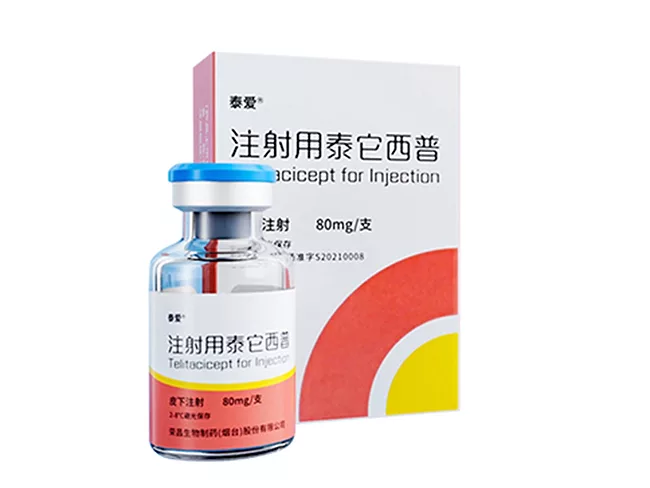
Remegen Co. Ltd. emerged as a surprise challenger in the generalized myasthenia gravis space, unveiling positive phase III data of its China-approved lupus drug, telitacicept (RCT-18; Tai’ai), in the rare autoimmune neuromuscular disorder at the 2025 American Academy of Neurology conference.
Researchers from Tridem Bioscience GmbH & Co. KG provided details on the development of TRB-001, an anti-α-synuclein construct consisting of a B-cell epitope derived from human α-synuclein (SNCA), conjugated to CRM197 and C-type lectin (CLEC) β-glucan.
Boehringer Ingelheim Pharma GmbH & Co KG and Cue Biopharma Inc. have signed a strategic research collaboration and license agreement to develop and commercialize Cue Biopharma’s CUE-501, a differentiated B-cell depletion therapy for autoimmune diseases.
Nipah virus, which circulates in fruit bats and other animals primarily in Asia and the South Pacific, causes severe neurological respiratory disease in humans and leads to death in 40%-75% of cases. The virus is endemic in Bangladesh and India, where outbreaks have occurred nearly annually since 2001.
 RSS
RSS