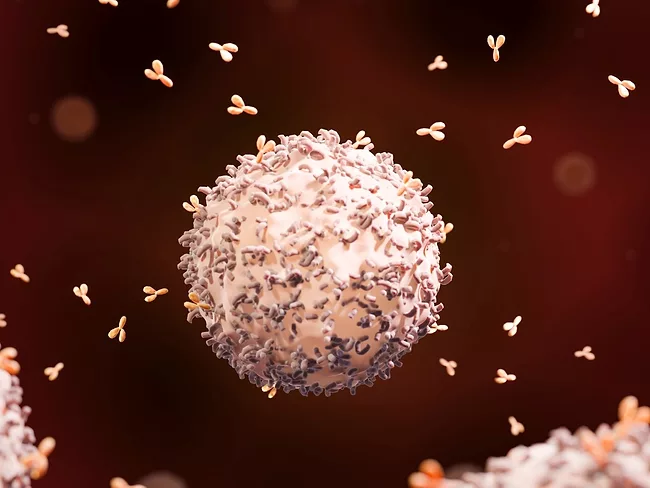
Cyrus Biotechnology Inc. has selected CYR-212, an engineered next-generation reduced-immunogenicity and half-life extended immunoglobulin G (IgG) protease, as a clinical development candidate for chronic IgG-driven autoimmune disease.
Wuxi Biologics Co. Ltd. is licensing a preclinical trispecific T-cell engager to Candid Therapeutics Inc. in a deal worth up to $925 million plus royalties.
Ophthalmic diseases specialist Oculis Holding AG announced positive phase II data showing its serum-glucose corticoid kinase-2 activator OCS-05 protected nerve cells and improved vision in patients with acute optic neuritis. The placebo-controlled, randomized trial assessed the neuroprotective effect of OCS-05 in combination with standard-of-care steroid injections, against steroids alone, with a benefit seen in preserving both ganglions and retinal cell nerve fibers.
Institut Pasteur Korea has signed a memorandum of understanding (MOU) with four Pohang University of Science and Technology (POSTECH)-affiliated research institutes with the aim of pursuing joint research on mRNA vaccine and treatment development.
Multisystem inflammatory syndrome in children (MIS-C) is a rare and severe condition following SARS-CoV-2 infection associated with intestinal manifestations. The most common clinical features include fever, abdominal pain, rash, myocardial dysfunction and elevated inflammatory biomarkers.
Novel vaccines that can effectively target both coronaviruses and influenza viruses would be desirable to counteract the significant health burden these respiratory pathogens pose.
The aberrant immune response against self-antigens occurring in autoimmune diseases involves dysregulation of members of intracellular signal transduction pathways such as interleukin-2-inducible T cell kinase (ITK) and Janus kinase (JAK). Aclaris Therapeutics Inc. has detailed the characterization of ATI-2138, a dual ITK/JAK3 covalent inhibitor.
Due to its dual role in adaptive immune responses, modulation of endoplasmic reticulum aminopeptidase 1 (ERAP1) is considered a potential strategy to both boost cancer immunotherapies or reduce self-antigen generation in the context of autoimmune diseases.
 RSS
RSS