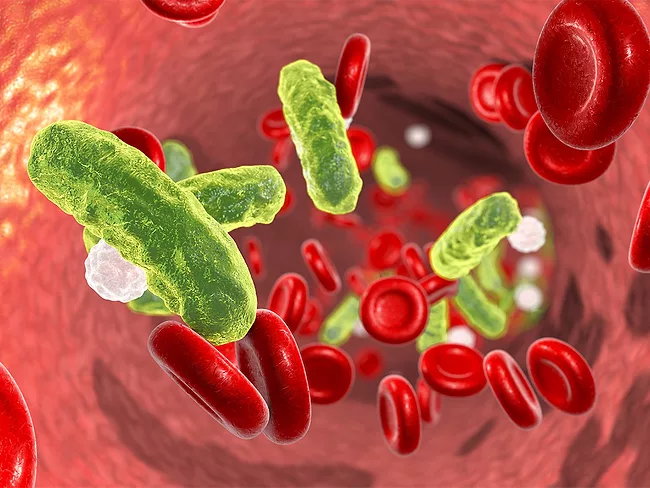
Combating Antibiotic-Resistant Bacteria Biopharmaceutical Accelerator (CARB-X) has awarded $1.1 million to Phiogen Inc. to evaluate PHI-BI-01, the company’s dual-action therapeutic designed to treat and prevent extraintestinal pathogenic Escherichia coli (ExPEC) bloodstream infections.
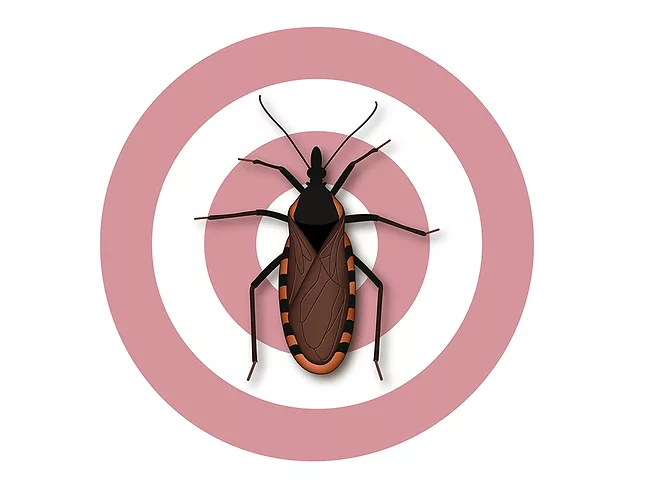
Novartis AG has synthesized cyanotrizole compounds reported to be useful for the treatment of leishmaniasis, American trypanosomiasis (Chagas disease) and African trypanosomiasis (sleeping sickness).
At last week’s American Chemical Society meeting, Novartis AG presented the discovery of IID-432, a highly efficacious and safe inhibitor of Trypanosoma cruzi topoisomerase 2 (Top2), offering a short-duration curative treatment for Chagas disease.
Combating Antibiotic-Resistant Bacteria Biopharmaceutical Accelerator (CARB-X) has awarded Baxiva AG $3 million to develop its multivalent glycoconjugate vaccine.
Researchers from Arkansas State University synthesized a library of thiazole derivatives, and these compounds were subsequently screened for their antibacterial activity both in vitro and in vivo.
Researchers from the California Institute of Technology and collaborating institutions have developed a novel HIV vaccine candidate, a new germline-targeting Env SOSIP trimer called 3nv.2, that is designed to elicit antibodies targeting three key epitopes on the HIV envelope protein.
Deficiencies in interferon-stimulated gene 15 (ISG15), a protein that normally regulates the immune response, causes mild but persistent inflammation. However, its absence also provides an unexpected advantage by increasing resistance to viral infections. Inspired by this condition and using mRNA technology, scientists at Columbia University and the Icahn School of Medicine at Mount Sinai have developed a broad-spectrum antiviral platform.
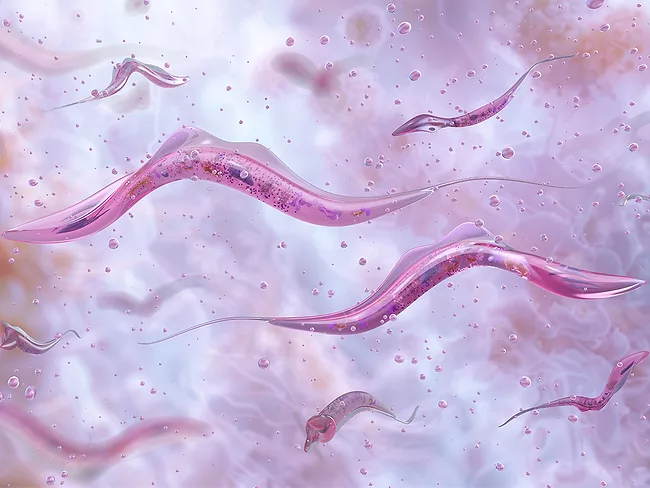
DNA-binding drugs have shown potential against the parasitic disease African trypanosomiasis (sleeping sickness), but they have several disadvantages, such as toxic effects or inability to cross the blood-brain barrier, which may prevent them from treating individuals in which the parasites have entered the central nervous system.
Researchers at the Massachusetts Institute of Technology have developed a generative AI model that was able to generate novel antibiotic structures from either chemical fragments or de novo, starting from ammonia, methane, water or no starting point at all. In a study that was published online in Cell, the team tested two dozen of more than 10 million structures that were proposed as potential antibiotics by the model.
 RSS
RSS