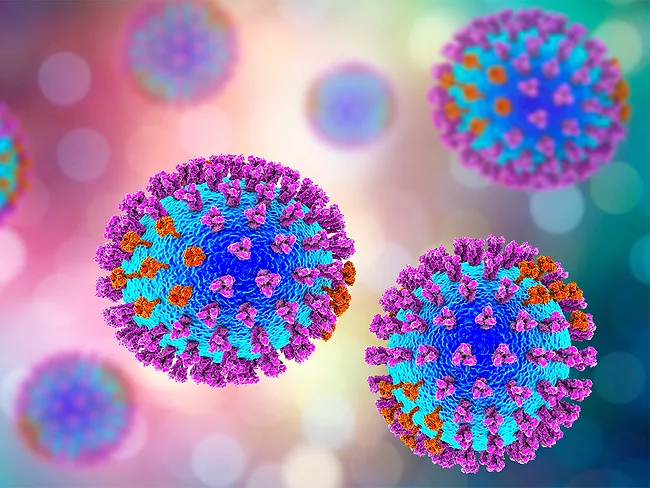
Nipah (NiV) and Hendra (HeV) viruses, two closely related members of the Henipavirus genus, continue to raise global concern due to their high mortality rates and potential for zoonotic spillover. Despite repeated outbreaks, there are still no licensed antiviral treatments targeting these pathogens, either for control or prevention.
Latvian Institute of Organic Synthesis has identified subtilisin-like protease 1 (PfSUB1) (Plasmodium falciparum) inhibitors reported to be useful for the treatment of malaria.
Human adenoviruses (HAdVs) are nonenveloped viruses with linear double-stranded DNA. Though often self-limiting, they can cause severe disease in immunocompromised individuals. The compact genome of HAdV results in few viable drug targets, complicating efforts to develop new treatments. Consequently, antiviral options remain limited, with most candidates being nucleoside or nucleotide analogues.
The neurotropic alphavirus group includes Eastern equine encephalitis virus (EEEV), Venezuelan equine encephalitis virus (VEEV) and Western equine encephalitis virus (WEEV). These viruses exhibit a strong tropism for the CNS, often resulting in encephalitis. In some cases, infection can progress to severe neurological disease, including coma or death.
Antibiotics specialist Bioversys AG has sealed a potential CHF529 million (US$667.5 million) deal with Shionogi Co. Ltd., in which they will work together on novel ansamycins for treating multidrug-resistant lung infections caused by non-tuberculous mycobacteria.
Researchers at Ehime University, Hamamatsu University School of Medicine and Shizuoka University have disclosed compounds reported to be useful for the treatment of hepatitis C virus (HCV) infections.