Investigators from the University of Science and Technology of China and RNAlfa Biotech have described a novel mRNA-based vaccine candidate against Dabie Banda virus (DBV), which has fatality rates of up to 30% in some East Asian countries.
South Korean researchers led by Lee In-suk of Yonsei University have reported the most complete oral microbiome catalog to date, with more than 72,000 genomes. Detailed in Cell Host & Microbe on Nov. 12, 2025, the database is expected to serve as a universal platform for academia and enable “precision microbiome medicine” for the industry, Lee told BioWorld.
Aligos Therapeutics Inc. and Katholieke Universiteit Leuven (KU Leuken) have synthesized antiviral compounds reported to be useful for the treatment of coronavirus acute respiratory syndrome, norovirus and picornavirus infections.
Chinese Academy of Medical Sciences has divulged imidazopyridine derivatives reported to be useful for the treatment of Acinetobacter infections, particularly A. baumannii infections.
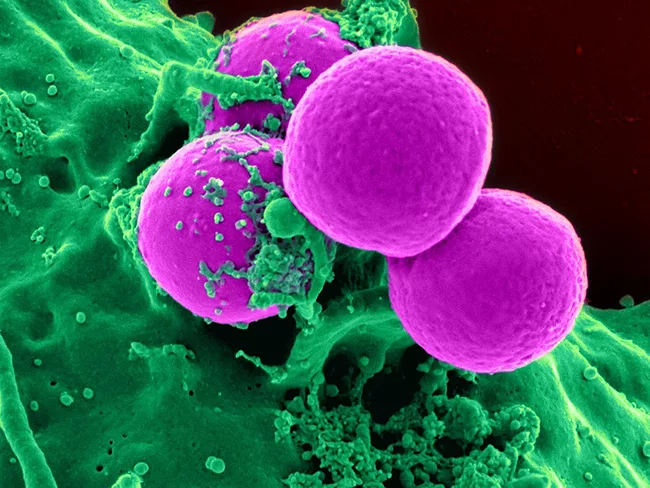
Staphylococcus aureus is a gram-positive bacterium that is ubiquitous on human skin and normally does not cause problems, but when it enters the body, it can cause serious infections. The growing prevalence of methicillin-resistant S. aureus (MRSA) highlights the need for next-generation antibiotics against it.
Adaptor protein-2 associated kinase 1 (AAK1) is key in clathrin-mediated endocytosis, which diverse viruses hijack in order to infect cells. Inhibiting AAK1 has been shown to block the entry of hepatitis C, dengue and rabies viruses into cells.
Current treatments for herpes simplex virus 1 (HSV-1) mainly target the viral DNA polymerase, but resistance is becoming an increasing problem. By understanding how HSV-1 initiates replication, scientists hope to find new ways to intervene before this stage, which could potentially contribute to avoid resistance.
Microbiotix Co. Ltd. has obtained IND approval from the Korean Ministry of Food and Drug Safety (MFDS) for MP-101, a bacteriophage therapy for patients with acute pneumonia. A phase I study in adult patients with Pseudomonas aeruginosa-induced pneumonia is expected to enroll its first patient within the year.
Scientists at Technical Institute of Physics and Chemistry, Chinese Academy of Sciences have disclosed hypocrellin derivatives acting as photosensitizers for photodynamic therapy reported to be useful for the treatment of cancer, bacterial infections and fungal infections.
Hamlet Biopharma AB has announced the presentation of new preclinical-stage molecules that have originated from its long-term collaboration with Lund University and Linnane Pharma AB with the aim of treating bacterial infections by targeting the disease response of the host rather than the pathogen itself.

 RSS
RSS