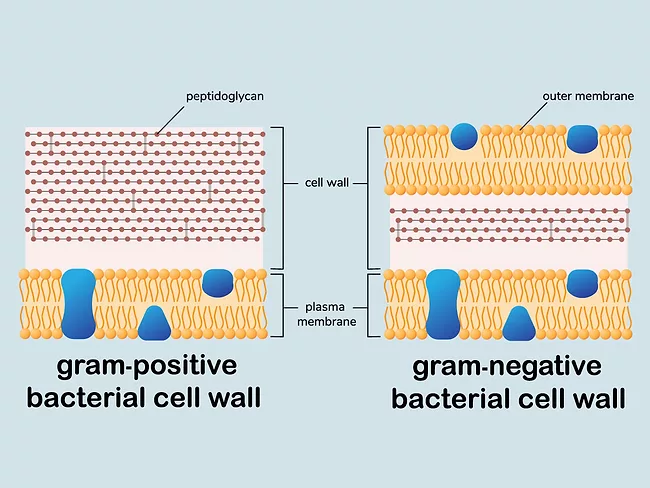
A team led by Paul Hergenrother at the University of Illinois, Urbana Champaign (UIUC) has developed a novel antibiotic named lolamicin that was specific for gram-negative bacteria but did not harm the gut microbiome composition in mouse models.
The Shanghai Institute of Materia Medica of the Chinese Academy of Sciences, Suzhou Vigonvita Life Sciences Co. Ltd. and the Wuhan Institute of Virology at the Chinese Academy of Sciences have divulged 3C-like proteinase (3CLpro; Mpro; nsp5) (SARS-CoV-2; COVID-19 virus) inhibitors reported to be useful for the treatment of SARS-CoV-2 infection (COVID-19).
Leyden Laboratories BV has patented polypeptides acting as spike glycoprotein (S) (SARS-CoV-2; COVID-19 virus) ligands reported to be useful for the treatment of SARS-CoV-2 infections.
Aligos Therapeutics Inc. and Katholieke Universiteit Leuven (KU Leuven ) have jointly developed new 3C-like proteinase (3CLpro; Mpro; nsp5) (SARS-CoV-2; COVID-19 virus) inhibitors reported to be useful for the treatment of SARS-CoV-2 infection (COVID-19), rhinovirus and norovirus infections.
Acute respiratory distress syndrome (ARDS) is a multifactorial disease, the pathogenesis of which involves environmental exposure and genetic predisposition.
Based on findings from recent studies that have identified MUC5AC in mice infected with the nematode Trichuris trichiura and during colitis, researchers from Medical University of South Carolina aimed to assess the effects of Clostridioides difficile infection on MUC5AC in the intestinal mucosa.
Spybiotech Ltd. has entered into a sponsored research agreement with the University of Oxford for the development of a vaccine against Epstein-Barr virus (EBV).
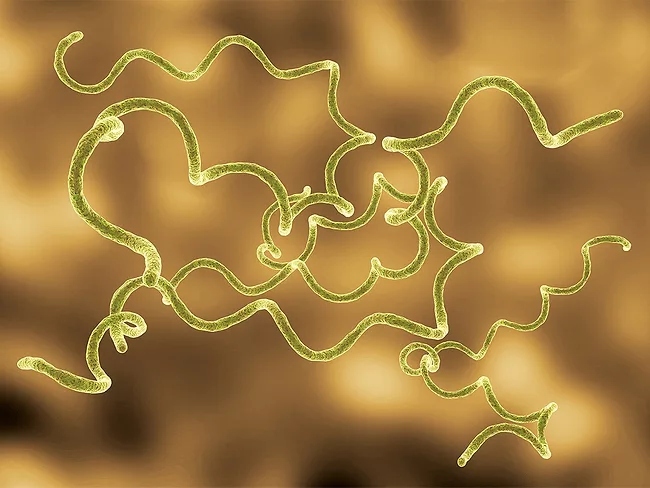
Researchers from Purdue University and the National Institutes of Health (NIH) have identified a potential target for treating Lyme disease, a prevalent tick-borne illness of increasing concern worldwide. Current treatment for Lyme disease is based on long-term administration of broad-spectrum antibiotics, with significant costs and impact on patients’ quality of life.
TFF Pharmaceuticals Inc. has announced it is advancing into preclinical testing multivalent universal influenza vaccine candidates to protect against seasonal and pandemic viruses, in collaboration with Cleveland Clinic.
In a paper published in the May 17, 2024, online issue of Cell, investigators from the Duke Human Vaccine Institute reported that a sequence of three immunizations in the HVTN-133 trial was sufficient for the development of heterologous or broadly neutralizing antibodies (bnAbs) that protected against several strains of HIV. The findings are “a real beachhead,” Barton Haynes told BioWorld. Haynes is the director of the Duke Human Vaccine Institute and the senior author of the paper.
 RSS
RSS