By transplanting a pig kidney into a brain-dead person, researchers have been able to conduct the first long-term study of the physiological processes occurring in both the transplant recipient and the pig organ for 61 days. The findings were published in the Nov. 14, 2025, issue of Nature in two papers – one focusing on physiological and immunological measurements, the other on multiomics.
South Korean researchers led by Lee In-suk of Yonsei University have reported the most complete oral microbiome catalog to date, with more than 72,000 genomes. Detailed in Cell Host & Microbe on Nov. 12, 2025, the database is expected to serve as a universal platform for academia and enable “precision microbiome medicine” for the industry, Lee told BioWorld.
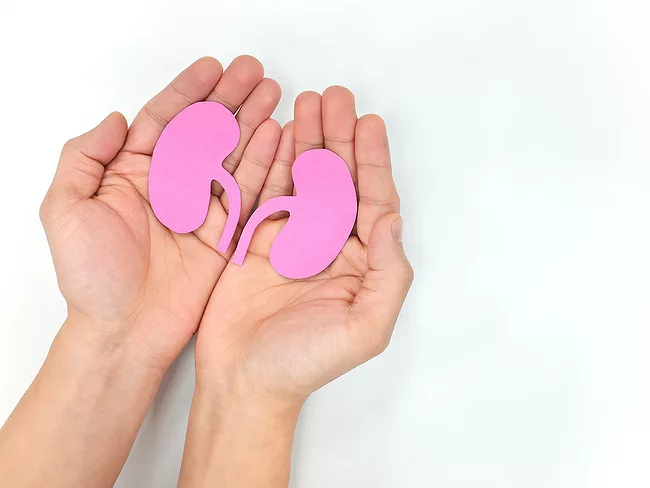
German researchers have cracked the decades-long mystery of why males are more susceptible to acute kidney injury than females, demonstrating that estrogen has a protective effect in females.
Chinese researchers are preparing the details for the publication of another scientific milestone, the creation of a chimera with a human heart and a kidney developed from human stem cells in pig embryos.
A large-scale study has revealed the impact of germline variants on proteins in 10 cancer types. Scientists from the National Cancer Institute’s Clinical Proteomic Tumor Analysis Consortium (CPTAC) conducted a precision proteogenomic analysis in a pan-cancer study with data from 1,064 patients, identifying tumor heterogeneity and tumorigenesis associated with heritable genetic alterations.
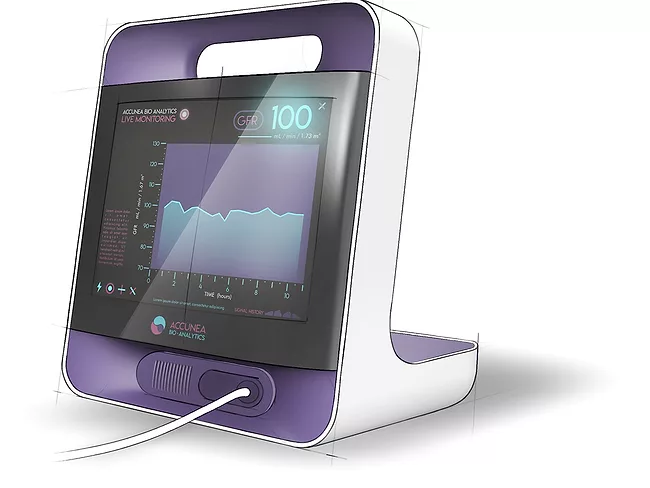
Accunea Ltd. is looking to reduce the number of kidneys that are discarded with its bioanalysis technology Renosure, which can detect critical changes in organ function in real-time, both before and after transplantation. The company is looking to raise £1.6 million (US$2 million) to develop the device which could transform the lives of people requiring a kidney transplant.
2024 was another banner year for GLP-1 receptor agonists (GLP-1RAs) on multiple fronts. They continued to expand into new indications, and provide their developers with both rich remuneration and scientific acclamation. There are now seven approved GLP-1RAs. Commercially, the most successful one so far is semaglutide, sold under the brand name Wegovy or Ozempic depending on the indication.
More than 18 months after announcing plans to spin off its kidney care division as a standalone public company, Baxter International Inc. reached an agreement to sell the business for $3.8 billion to global equity investor Carlyle and Atmas Health instead. The transaction is expected to close in late 2024 or the first quarter of 2025.
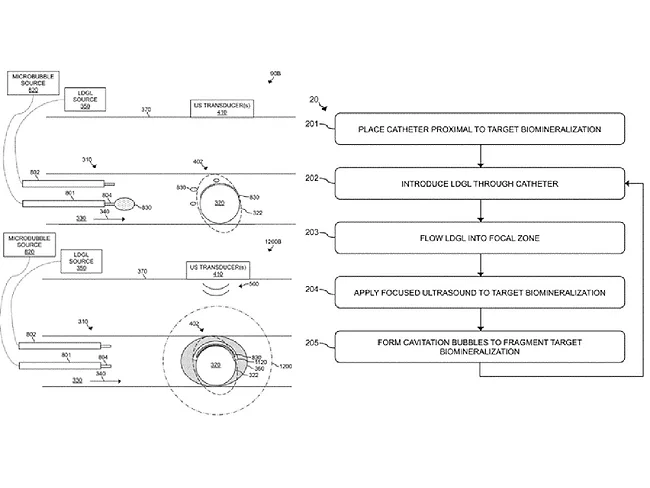
Applaud Medical Inc. continues to file for protection for aspects of its BRIO Enhanced Lithotripsy System, an acoustic enhancer technology which aims to eliminate ureteral stones quickly, affordably, and without the need for general anesthesia or a fluoroscopy procedure that may be conducted in a physician’s office and other non-hospital setting.
Uromems SAS is seeking patent protection for a system for the control of an inflatable implant device with a variable volume fluid reservoir that may be used to plug an anatomical duct such as a urethra, gastric duct, colon, or rectum, or configured for use as a penile implant.
 RSS
RSS