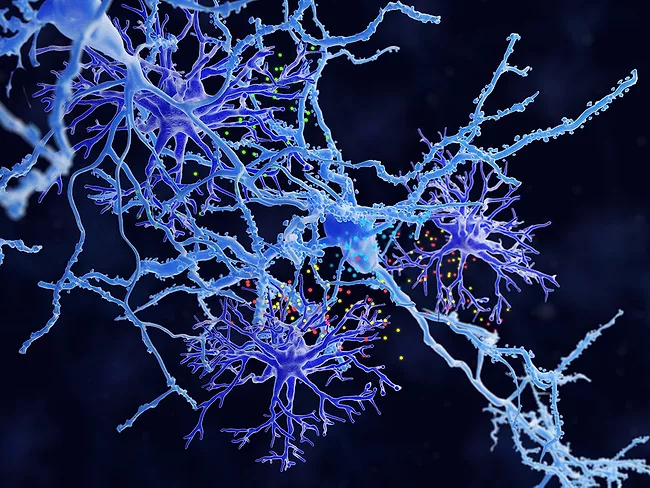
CTNNB1 syndrome is a neurodevelopmental disorder characterized by intellectual disability, global developmental delay, microcephaly and motor disabilities, among others, caused by pathogenic loss-of-function variants in the CTNNB1 gene, which encodes β-catenin. This syndrome has no treatment option, with only supportive care available. To address this unmet medical need, researchers from the Broad Institute and Tufts University School of Biomedical Sciences have developed a Ctnnb1 germline heterozygote murine model that mimics the human CTNNB1 syndrome.
After initially reporting that Xanamem failed to meet the primary endpoint in cognitive attention in the phase IIa Xanacidd cognition and depression trial, Actinogen Medical Ltd. CEO Steven Gourlay said a new analysis shows clinically and statistically significant benefits in depression.
The brain is a vulnerable organ that is compromised in the absence of energy production. Reduced fuel delivery to the brain correlates with aging and is an early predictor of potential neurological dysfunction, such as what occurs in Parkinson’s disease.
Suven Life Sciences Ltd. has received IND approval from the FDA allowing it to initiate a first-in-human phase I study of SUVN-I6107, a muscarinic M1 receptor positive allosteric modulator (PAM) as a potential new treatment to address the dementia market.
Since the publication of The Hallmarks of Aging in 2013, aging research has exploded. The field now has more than 300,000 articles on the biological signals of the effect of time on the body. What would Marty McFly, the legendary character from the Back to the Future saga who traveled with his DeLorean time machine from the ‘80s to the ‘50s, think if he visited 2024 and saw laboratories experimenting with techniques to turn back the biological clocks of cells or increase the lifespan of rejuvenated mice?
Neurocrine Biosciences Inc.’s top-line phase II data, though billed as promising, wasn’t enough to please observers on Wall Street, who stacked the data in schizophrenia with NBI-1117568 (NBI-'568) against others in the space. Shares (NASDAQ:NBIX) closed Aug. 28 at $123.76, down $28.79, or 18.9%.
A patent from Centre National de la Recherche Scientifique (CNRS), McGill University and Sorbonne University discloses new acetylcholinesterase (AChE) inhibitors reported to be useful for the treatment of substance abuse and dependence, obsessive-compulsive disorder, anorexia nervosa, bulimia nervosa, obesity, Parkinson’s and Alzheimer’s disease.
Mutations in the GNAO1 gene are tied to neurological disorders characterized by movement abnormalities and developmental delay. GNAO1 encodes the protein guanine nucleotide-binding protein G(o) subunit α, which is highly expressed in the brain. Among the mutations, R209H results in dystonia, choreoathetosis and developmental delay without seizures.
Restoring glucose metabolism in astrocytes, which is impaired in Alzheimer’s disease (AD), has a direct effect on neurons, which replenish their fuel supply and resume synaptic activity. A group of scientists from Stanford University School of Medicine has revealed the pathway that explains where this efflux is interrupted and which molecules restore it in mouse models with amyloid and tau pathology. Their findings could help prevent the progression of this neurodegenerative disease.
 RSS
RSS