Researchers from the University of Queensland and affiliated organizations recently presented preclinical data for the novel C3a receptor (C3aR) antagonist JR-14a, being developed as a neuroprotective agent for the treatment of post-stroke neuroinflammation.
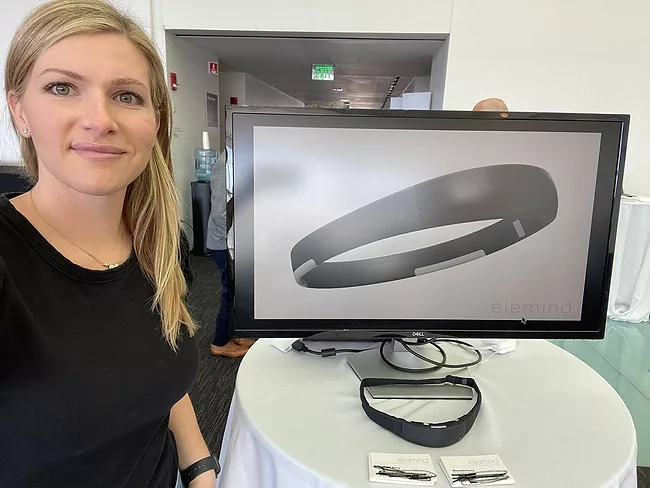
Elemind Technologies Inc. may not (yet) be telepathic, but the new company certainly read the mood of investors well as it secured $12 million in seed funding before emerging from stealth this week. While the product has yet to be fully revealed, the company is developing a wearable neurotechnology platform that uses artificial intelligence to read and guide brainwaves using tailored sound stimulation.
The main causes of vascular cognitive impairment and dementia (VCID) are the breakdown of the blood-brain barrier, reactive astrogliosis and loss of myelination, but its molecular and cellular mechanisms are not clear enough.
The discovery of a complex formed by two types of ion channels in neurons has allowed researchers from Heidelberg University to develop an inhibitor that stopped motor neuron degeneration in amyotrophic lateral sclerosis (ALS) in mouse models and human brain organoids.
Boston Scientific Corp. notched another win with the U.S. FDA approval of its spinal cord stimulator (SCS), Wavewriter, for treatment of non-surgical back pain just a week after receiving the agency’s nod for its Farapulse pulsed field ablation system. The new indication comes four months after expansion of approved uses for Wavewriter to include painful diabetic peripheral neuropathy.
A Biogen Inc. patent describes new non-receptor tyrosine-protein kinase TYK2 inhibitors reported to be useful for the treatment of stroke, psoriasis, arthritis, pain, silicosis, alopecia, inflammatory disorders and autoimmune diseases.
Myrobalan Therapeutics Inc. has been awarded a $400,000 grant from the ALS Association to support the advancement of its colony-stimulating factor 1 receptor (CSF-1R) inhibitor for the treatment of amyotrophic lateral sclerosis (ALS).
Vandria SA has been awarded two grants totaling €3.8M (US$4.1M) from Innosuisse and Eurostars to support its two lead drug candidates addressing CNS and muscle diseases, respectively.
Stroke is the main neurologic cause of global morbidity and mortality with a global prevalence of more than 100 million last year. Under neuropathological conditions such as excitotoxicity associated with stroke, the pro-glycolytic enzyme 6-phosphofructo-2-kinase/fructose-2,6-bisphosphatase-3 (PFKFB3) enhances glucose consumption which leads to redox stress and apoptotic neuronal death.

 RSS
RSS