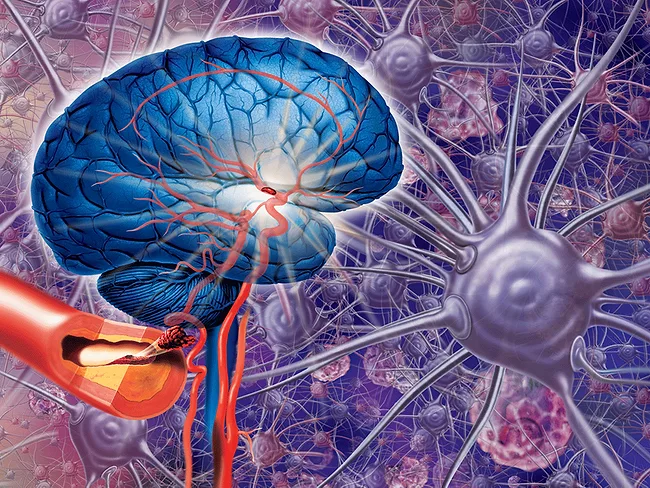
It has been shown that vascular endothelial growth factor A (VEGF-A) induces blood-brain barrier disruption and vasogenic edema and it is up-regulated in stroke. When bound to its receptor, VEGF promotes angiogenesis and neuroprotection, in addition to inducing vasogenic edema. VST Bio Ltd. and Yale University have presented data on their monoclonal antibody against syndecan-2, named VST-002, that completely blocks VEGF-driven vasogenic edema while preserving neuroprotective effects.
In repeated concussions, removing damaged mitochondria could prevent the neurodegeneration that occurs when pathology progresses in some patients. The key would be in the role of the p17 protein in restoring mitophagy, according to scientists from the Medical University of South Carolina (MUSC). “Brain injury is an extrinsic disease. It is not idiopathic. When the primary injury occurs, the secure mechanism only relies on an endogenous protection of the brain. If you have a good neuroprotective mechanism, then after the primary injury, basically you don’t see any symptomatic effect,” Onder Albayram told BioWorld.
Otsuka Pharmaceutical Co. Ltd.’s AVP-786 missed the primary endpoint for a third time in a phase III trial for agitation associated with dementia due to Alzheimer’s disease (AD). Two previous phase III trials also failed to show statistical significance for AVP-786.
The European Commission approved two therapies for progressive, genetic diseases: Biogen Inc.’s Friedreich’s ataxia drug, Skyclarys (omaveloxolone), and Crispr Therapeutics AG’s CRISPR/Cas9 gene therapy for sickle cell disease and transfusion-dependent beta-thalassemia, Casgevy (exagamglogene autotemcel, exa-cel).
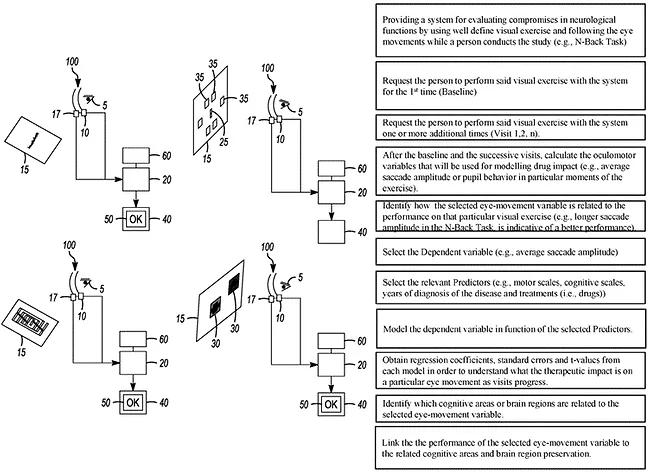
New York-based Viewmind Inc. has applied for patent protection of methods and systems for detecting neurological disorders and/or measuring, fine-motor skills, processing speed, decision making, and cognitive processes by measuring eye movements, oculomotor features and pupil behavior.
Neuroninn Biosciences Co. Ltd. has synthesized G protein-coupled receptor GPR139 agonists reported to be useful for the treatment of anxiety disorders, depression, substance abuse and dependence and Parkinson’s disease.
Japanese researchers have developed a new rat model of thromboembolic ischemic stroke that did not require arterial ligation of the external carotid artery, which makes the research for thrombolytic agents more complicated.
Aurigene Oncology Ltd. has divulged cyclin-dependent kinase 12 (CDK12) and/or cyclin-dependent kinase 13 (CDK13) inhibitors reported to be useful for the treatment of cancer, inflammatory disorders, infections, amyotrophic lateral sclerosis, frontotemporal dementia, spinal and bulbar muscular atrophy, spinocerebellar ataxia and Huntington’s disease, among others.
Nonhuman primate (NHP) models may contribute to advance research in Alzheimer’s disease (AD) thanks to their genetic, anatomical and physiological similarities with humans. However, their use in AD research is limited by significant challenges, including long generation times, ethical considerations and technical challenges of genetic modification.

 RSS
RSS