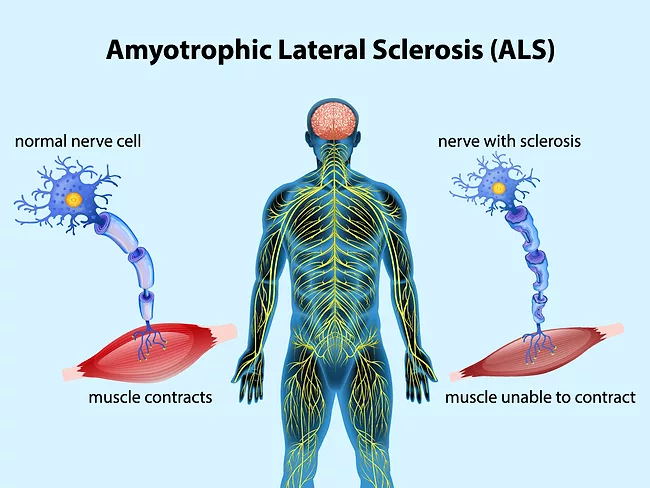
Akava Therapeutics Inc. has announced FDA clearance of its IND application for AKV-9 (formerly NU-9) for the treatment of amyotrophic lateral sclerosis (ALS). The company is planning a first-in-human phase I study in healthy subjects.
Investigators have functionally linked the Alzheimer’s disease (AD) risk gene SORL1 to apolipoprotein E (ApoE) and clusterin, another apolipoprotein. The work, Tracy Young-Pearse told BioWorld, is part of an attempt to “try to understand different subtypes of Alzheimer’s disease.” It maps some of what Young-Pearse termed the “many molecular roads that lead to Alzheimer’s” – which, in turn, is the first step to setting up roadblocks. Young-Pearse is an associate professor in the Ann Romney Center for Neurologic Diseases at Brigham and Women’s Hospital and Harvard Medical School and co-leader of the Harvard Stem Cell Institute’s Nervous System Diseases Program. She is also the senior author of the paper describing the findings, which appeared online in Cell Reports on Aug. 22, 2023.
Incannex Healthcare Ltd. is gearing up to begin a pivotal phase II/III trial in the U.S. for its lead asset, IHL-42X (dronabinol/acetazolamide), a synthetic cannabinoid combination drug for sleep apnea.
Brainaurora Medical Technology Ltd. has filed for an initial public offering (IPO) in Hong Kong to develop its digital therapeutics for the treatment of cognitive impairment diseases. The company claims to be the first in China to launch a digital therapeutics (DTx) product for cognitive impairment, as well as the largest company in China in terms of revenue from the commercialization of cognitive impairment DTx products in 2022.
Over the last six years, more than 20,000 patients have been implanted with the Sprint PNS system to manage acute or chronic pain, SPR Therapeutics Inc. reported. The 20,000th patient was treated for low back and leg pain with the Sprint Extensa XT system, which like the company’s other systems is implanted for 60 days in a minimally invasive surgery. The system uses percutaneous peripheral nerve stimulation (PNS) to recondition the central nervous system to provide long-term, significant relief from pain.
The impact of a black box warning on Neurocrine Biosciences Inc.’s expanded U.S. label for Ingrezza (valbenazine) to treat chorea associated with Huntington’s disease (HD) appears up for debate, following FDA approval late Aug. 18. But analysts agree that it is unlikely to affect sales of the VMAT2 inhibitor in tardive dyskinesia, for which the company recently raised 2023 guidance as high as $1.82 billion.
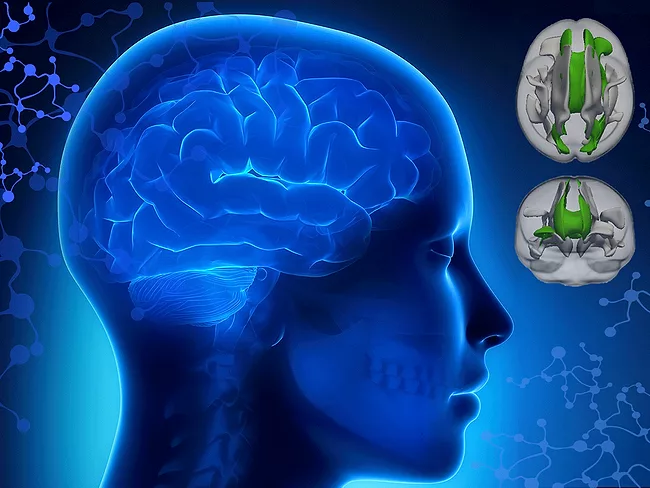
The study of six types of mental illnesses in a thousand brain regions has demonstrated the differences between individuals within each disorder. Using magnetic resonance images (MRI), scientists from Monash University in Australia analyzed the brain changes and built individual maps for each psychiatric disorder. Their results revealed differences between people with the same diagnosis, which could help refine assessments.
17-β-hydroxysteroid dehydrogenase type 10 (17-β-HSD10) catalyzes the turnover of steroids and neurosteroids, among other substrates, and is also a structural component of RNase P. 17-β-HSD10 is involved in the development of several pathologies, and considered a potential drug target for Alzheimer’s disease and some hormone-dependent cancers. A few 17-β-HSD10 inhibitors with either pyrazole, steroids, or benzothiazolylurea structure have been previously developed.
3Z ehf and Biotx.ai AG have established a strategic partnership to help advance the development of drugs for attention deficit hyperactivity disorder (ADHD).
 RSS
RSS