Sichuan Kelun Pharmaceutical Research Institute Co. Ltd. has identified G protein-coupled receptor 6 (GPR6) inverse agonists reported to be useful for the treatment of depression, bipolar disorder, substance abuse and dependence, eating disorders, schizophrenia, cognitive disorders, Parkinson’s disease and Huntington's disease, among others.
Chengdu Kanghong Pharmaceutical Group Co. Ltd. is developing a nonopioid Nav1.8 inhibitor, KHN-702. The effects of KHN-702 were evaluated both in vitro and in vivo, in a plantar incision pain model, and results were presented at the recent American Academy of Neurology meeting in Chicago.
Minimal residual disease (MRD) has become a central concept in modern oncology, reshaping how clinicians evaluate response, relapse risk and treatment precision. As increasingly sensitive technologies reveal traces of cancer that persist after therapy, MRD is emerging as both a biological challenge and a clinical opportunity, especially as new data illuminate its complexity across hematologic and solid tumors. This topic was addressed at the 2026 American Association for Cancer Research (AACR) annual meeting.
Children and adults with a type of congenital hearing loss now have a free treatment option, with the U.S. FDA’s accelerated approval of Regeneron Pharmaceuticals Inc.’s DB-OTO, an AAV-mediated gene therapy. Branded Otarmeni (lunsotogene parvec), it is cleared specifically for hearing loss caused by variants in the otoferlin gene.
Chengdu Mfs Pharma Co. Ltd. has prepared and tested compounds for the potential treatment of pain, sleep disorder and status epilepticus epilepsy as well as for use as an anesthetic.
At the recently concluded meeting of the American Academy of Neurology, Synendos Therapeutics AG reported preclinical data from the pharmacological characterization of SYT-510, which is the first selective endocannabinoid reuptake inhibitor (SERI) to enter the clinic for the potential treatment of disorders affecting the CNS, such as anxiety or movement disorders. A new class of endocannabinoid system (ECS) modulators, SERIs potently and selectively inhibit endocannabinoid reuptake to help the ECS restore normal brain function under disease conditions.
Optimism rose for what could be the first CAR T therapy in autoimmune disease as Kyverna Therapeutics Inc. made public a positive primary analysis from its registrational trial, KYSA-8, of mivocabtagene autoleucel (miv-cel, KYV-101) in stiff-person syndrome. Kyverna plans to submit a BLA to the U.S. FDA in the first half of this year.
Singularity Pharma Ltd. has divulged mitragynine analogues that are potentially useful for the treatment of postoperative pain, depression, opioid dependence, opioid withdrawal, inflammatory and psychiatric disorders.
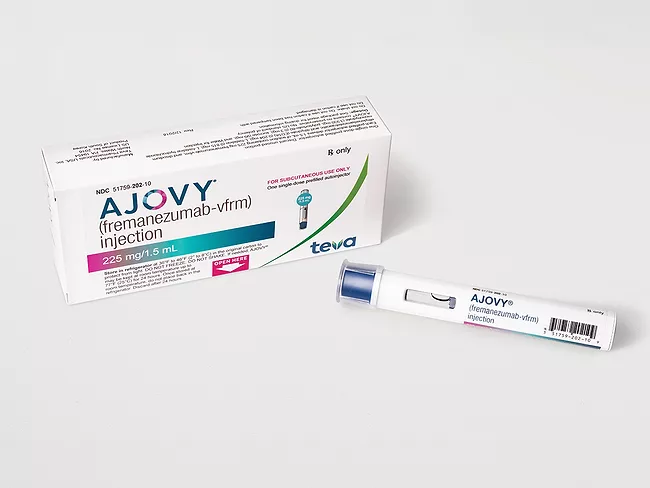
Ever since Teva Pharmaceutical Industries Ltd. sued Eli Lilly and Co. several years ago, claiming Lilly’s migraine drug, Emgality (galcanezumab), infringed its headache treatment patents, the two companies have been on a litigation rollercoaster.
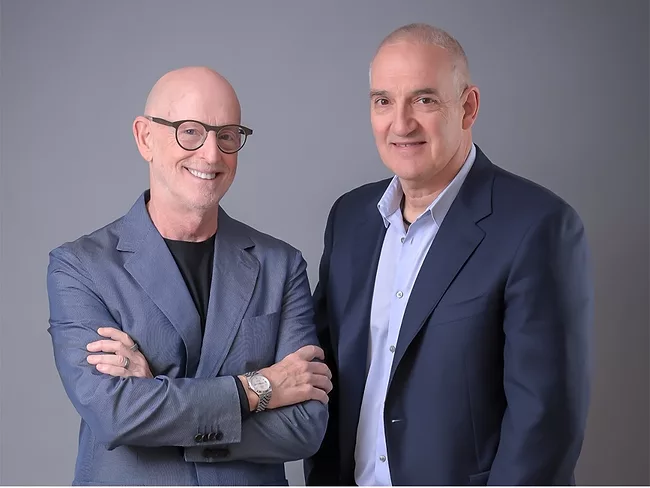
Tortugas Neuroscience Inc. came out of its shell to announce the raising of $106 million between its seed and series A financing rounds. “We like the symbolism of the sea turtle – long-lived, persistent, very determined,” Tortugas CEO Jeff Jonas said of the company’s name.
 RSS
RSS