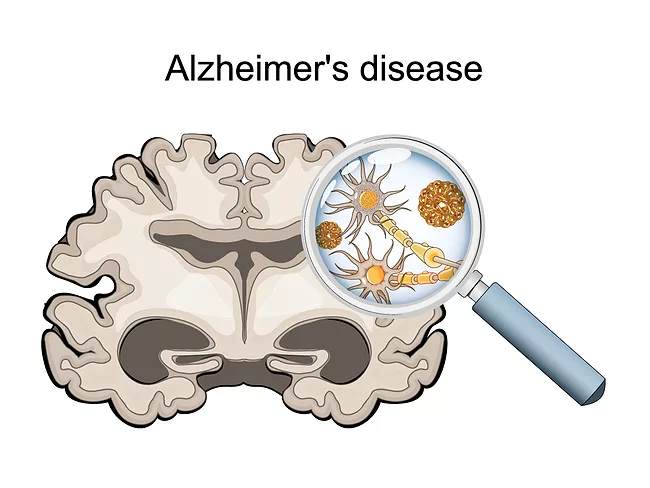
Neuroinflammation has arisen as a key factor in the pathophysiology of Alzheimer’s disease (AD). Chronic immune activation in the brain leads to the release of pro-inflammatory cytokines and other inflammatory mediators that contribute to neuronal damage, thus impacting cognitive function during the progression of the disease. Transcriptomic and epigenomic analyses were performed to understand the epigenetic mechanisms behind the expression of inflammatory genes in AD brain.
Researchers from Arthex Biotech SL, the University of Valencia (Spain) and collaborators sought to address the lack of optimized microRNA (miRNA)-targeting antisense oligonucleotides (anti-miRs) for upregulating MBNL1 in myotonic dystrophy.
A new Danish research project focused on Parkinson’s disease has received funding from Innovation Fund Denmark. The DESYNA (Degradation of Extracellular α-SYNuclein Aggregates) project aims to develop a new therapy targeting α-synuclein, the accumulation of which is a key driver of Parkinson’s disease.
The aberrant activation of NACHT, LRR and PYD domains-containing protein 3 (NLRP3) inflammasome is a known crucial driver of neuroinflammation in Alzheimer’s disease (AD) and other related dementias. The inhibition of NLRP3 has shown benefits in preclinical models. Researchers from the University of Texas recently presented data regarding an NLRP3 inhibitor, AMS-17, for the treatment of AD and related dementias.
Parkinson’s disease (PD) involves the progressive loss of dopaminergic neurons, particularly in the substantia nigra. This neurodegeneration is linked to the abnormal accumulation of α-synuclein, a protein that forms toxic aggregates and spreads between cells, damaging them. At the 20th International Conference on Alzheimer’s and Parkinson’s Diseases (AD/PD), held from March 17 to 21, 2026, in Copenhagen, several strategies were presented that aim to modify the course of the disease and offer real alternatives to purely symptomatic treatments.
As the development of brain-computer interface (BCI) technologies gain momentum, Paradromics Inc. is building an ecosystem to enable collaboration between the company and academic researchers.
Attacking attention deficit hyperactivity disorder (ADHD) from two different angles, thanks to a new asset just brought aboard, should help Collegium Pharmaceutical Inc. protect its revenue stream in the pesky and widespread condition. Stoughton, Mass.-based Collegium disclosed its pact March 19 with Corium Therapeutics Holdings LLC for the former to buy the latter’s Azstarys (serdexmethylphenidate and dexmethylphenidate).
A new way of understanding Alzheimer’s disease, based on biological inflection points that mark decisive moments in the progression of the disorder, could change how new drugs are developed to achieve more effective therapies. This new perspective could rethink strategies that depend not so much on the target itself, but on the precise moment at which it is addressed.
Suven Life Sciences Ltd. has disclosed new 2-amino-pyrimidine derivatives acting as muscarinic M4 receptor positive allosteric modulators (PAMs) reported to be useful for the treatment of pain, sleep disorders, depression, schizophrenia, Alzheimer’s, Parkinson’s and Huntington’s disease.
Congruence Therapeutics Inc. has closed a $39.5 million financing to advance into its portfolio of small-molecule correctors for diseases of protein misfolding into the clinic.
 RSS
RSS