Japan has approved the world’s first therapies derived from induced pluripotent stem cells (iPSCs), marking a major milestone for regenerative medicine and, potentially, a turning point in treating Parkinson’s disease.
Rapport Therapeutics Inc. added $20 million to its cash runway for its lead phase III oral seizure drug, RAP-219, through a potential $328 million license deal signed with Tenacia Biotechnology Co. Ltd.
Medtronic plc has agreed to buy Scientia Vascular Inc. for $550 million, as it makes good on its promise to embark on more strategic acquisitions this year. The acquisition will bolster its neurovascular business as it adds a portfolio of guidewires and catheters, which uses Scientia’s microfabrication technology to simplify complex neurovascular procedures.
Fast on the heels of the U.S. FDA’s go-ahead regarding the expanded use of Wellcovorin (leucovorin) tablets for cerebral folate deficiency in adult and pediatric patients with a confirmed variant in the folate receptor 1 gene – some of whom bear “autistic features” as part of their condition – the American Academy of Pediatrics advised against giving the drug to children with autism spectrum disorder.
If one could sweep the brain clean and send the toxic substances that drive neurodegeneration to the recycling bin, perhaps one could treat Alzheimer’s disease. Researchers at the Chinese Academy of Sciences propose a new therapeutic strategy that uses synthetic peptides that bind to amyloid-β (Aβ) and direct it toward lysosomes. In addition, researchers at the Washington University School of Medicine in St. Louis have genetically modified astrocytes in vivo to express chimeric antigen receptors (CARs) that recognize and phagocytose Aβ plaques.
Work at Shanghai 3D Medicines Laboratory Co. Ltd. has led to the discovery of new sodium channel protein type 10 subunit α (SCN10A; Nav1.8) blockers designed for use in the treatment of pain.
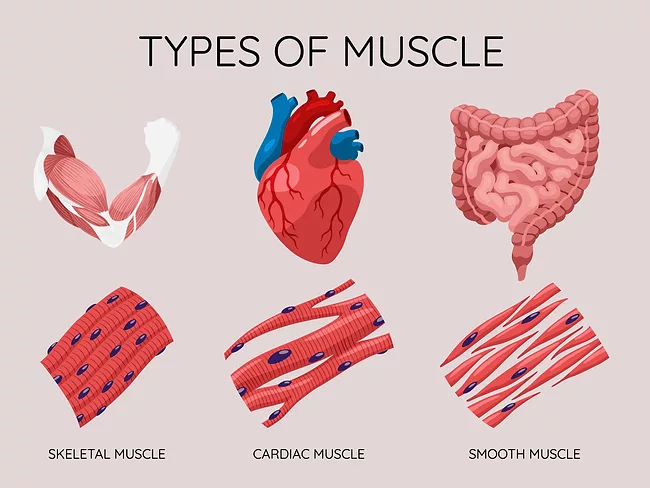
In Duchenne muscular dystrophy (DMD), deficiency of dystrophin leads to cardiomyocyte membrane instability, abnormal calcium influx, and progressive fibrotic remodeling of cardiac tissue. Histone deacetylase 6 (HDAC6) contributes to disease progression by regulating cytoskeletal dynamics and proteostasis in dystrophic muscle cells. Consequently, inhibition of HDAC6 represents a potential therapeutic strategy for addressing both the skeletal and cardiac manifestations of DMD.
The exact genetic and epigenetic cause of the sporadic form of amyotrophic lateral sclerosis (ALS), which affects approximately 90% of patients, are largely unknown. Previous work found that mitochondrial dysfunction and metabolic dysregulation are crucial to ALS pathophysiology.
Similarities among three pediatric brain tumors that arise in different structures of the CNS – pineoblastoma, retinoblastoma and Group 3 medulloblastoma – have been linked to their shared origin during pineal gland development. Scientists at St. Jude Children’s Research Hospital have identified the molecular signatures that drive these tumors from pinealocyte progenitor cells that conserve a common differentiation program, providing a shared therapeutic target for these three cancer types.
The regulatory clouds that have been darkening the U.S. FDA landscape of late for Uniqure NV’s gene therapy AMT-130 in Huntington’s disease may be parting a bit with the announced departure of Vinay Prasad as director of the agency’s CBER at the end of April.
 RSS
RSS