Researchers from Pretzel Therapeutics Inc. presented preclinical data of PX-578, a first-in-class POLG activator aimed at restoring mtDNA replication and mitochondrial function independently of mitochondrial DNA depletion syndromes genotype.
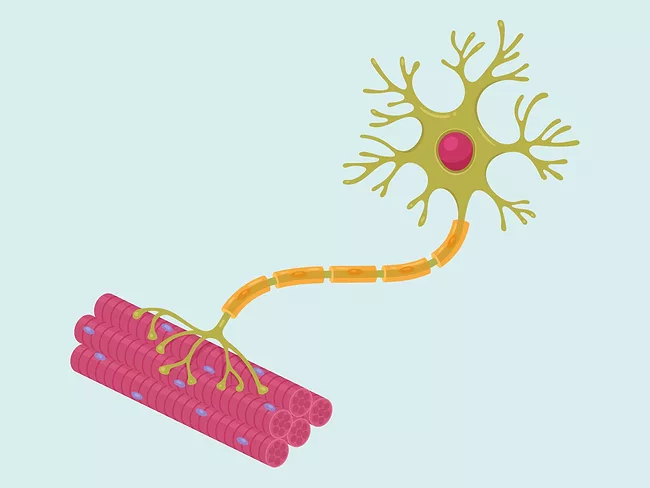
Researchers from Chemicare Srl and the University of Piemonte Orientale have presented preclinical results regarding their (SOCE) negative regulator CIC-39. Researchers evaluated the dysregulation of SOCE in both ex vivo and in vivo models of Duchenne muscular dystrophy (DMD), as well as evaluated the therapeutic potential of CIC-39 in DMD.
There is broad agreement that psychiatric diagnoses in their current form are not reflective of any underlying biology, and that this is one of the things hampering psychiatric drug development. “We are still fully reliant on descriptive diagnoses that yield heterogeneous patient cohorts,” Steve Hyman told the audience at the European Congress of Neuropsychopharmacology (ECNP) Roadmap Meeting on Precision Psychiatry in Amsterdam in January.
The BioWorld Neurological Diseases Index (BNDI) finished 2025 up 6.33%, continuing the gains seen through November (closing up 2.64%), after reaching a low in July when it was down 22.48%. By comparison, the Nasdaq Biotechnology Index (NBI) ended the year up 32.4%, while the Dow Jones Industrial Average (DJIA) rose 12.97%. In the first two months of 2026, the BNDI slipped 1.24%, compared with gains of 5.85% for the NBI and 1.9% for the DJIA.
Glucocerebrosidase (GCase), encoded by the gene GBA1, is a ubiquitous lysosomal enzyme that breaks down lipid substrates, glucosylceramide (GL-1) and glucosylsphingosine (Lyso-GL1), into glucose and ceramide. Loss-of-function mutations in GBA1 reduce GCase activity, resulting in lipid accumulation within lysosomes and subsequent lysosomal dysfunction.
Similarities among three pediatric brain tumors that arise in different structures of the CNS – pineoblastoma, retinoblastoma and Group 3 medulloblastoma – have been linked to their shared origin during pineal gland development. Scientists at St. Jude Children’s Research Hospital have identified the molecular signatures that drive these tumors from pinealocyte progenitor cells that conserve a common differentiation program, providing a shared therapeutic target for these three cancer types.
Keros Therapeutics Inc. has presented data regarding their activin receptor ligand trap, RKER-065, for the inhibition of the activin/myostatin signaling axis.
Casma Therapeutics Inc. has been awarded approximately $7.6 million in funding across two competitive grant programs from The Michael J. Fox Foundation for Parkinson’s Research (MJFF) to support Casma’s lead program, CSM-101.
Acurastem Inc. has received a two-year research grant from Target ALS to advance therapeutics targeting SYF2, a recently identified regulator of TDP-43 function. TDP-43 dysfunction is a central biological hallmark of amyotrophic lateral sclerosis (ALS).
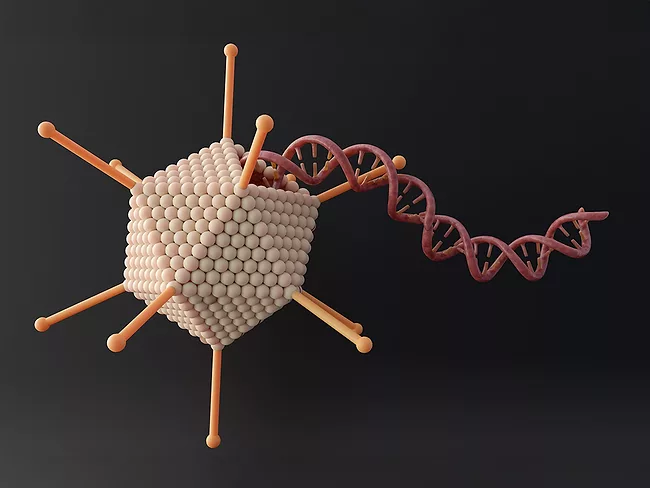
Friedreich’s ataxia (FA) is an inherited neurodegenerative disorder caused by GAA repeat expansions in the FXN gene, which produces a mitochondrial protein vital for iron-sulfur cluster assembly and energy metabolism. Researchers at Solid Biosciences Inc. presented preclinical data supporting the first-in-human trial on SGT-212 gene therapy in FA models.

 RSS
RSS