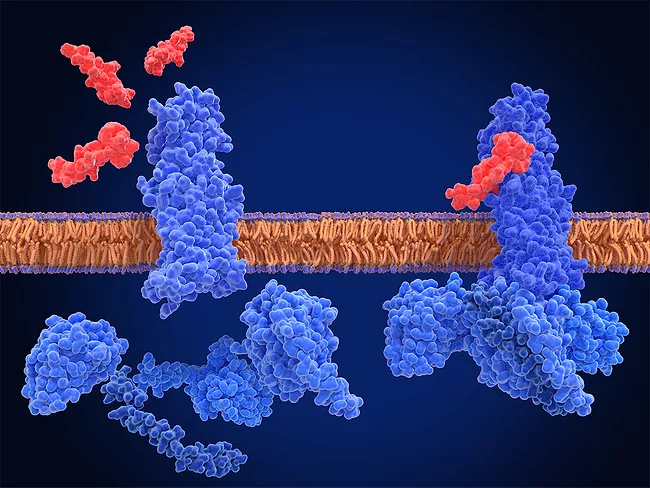
Rhythm Pharmaceuticals Inc. will be sitting down with regulators in the U.S. and Europe to discuss phase III plans in the wake of positive phase II data from the study testing bivamelagon (formerly LB5-4640), an oral melanocortin-4 receptor agonist, in patients with acquired hypothalamic obesity.
The increased use of GLP-1 receptor agonists has led on to an increase in reports of acute pancreatitis in people taking these weight loss drugs in the U.K. That has prompted the launch of a pharmacogenomics project to investigate if there are any genetic links underlying the occurrence of this adverse event.
Innovent Biologics Inc. announced a HKD$4.3 billion (US$547 million) placement on the Hong Kong Stock Exchange to advance its R&D projects and to fund its global expansion.
Deep Apple Therapeutics Inc. could bring in as much as $812 million in a new collaboration and license deal with Novo Nordisk A/S. The total includes an unspecified up-front payment, research costs and milestones. The two plan to develop and commercialize oral small molecules for non-incretin G-protein coupled receptor targets for treating cardiometabolic diseases, including obesity, a core specialty for Novo Nordisk.
One of the big questions going into the phase I readout for Metsera Inc.’s amylin analogue, MET-233i, was whether findings would support once-monthly dosing for the potential obesity candidate. They did. Results also indicated solid and dose-dependent weight loss activity, and Metsera was able to identify well-tolerated starting doses for subsequent studies, said Steve Marso, chief medical officer. “So we exceeded expectations on all three scientific objectives.”
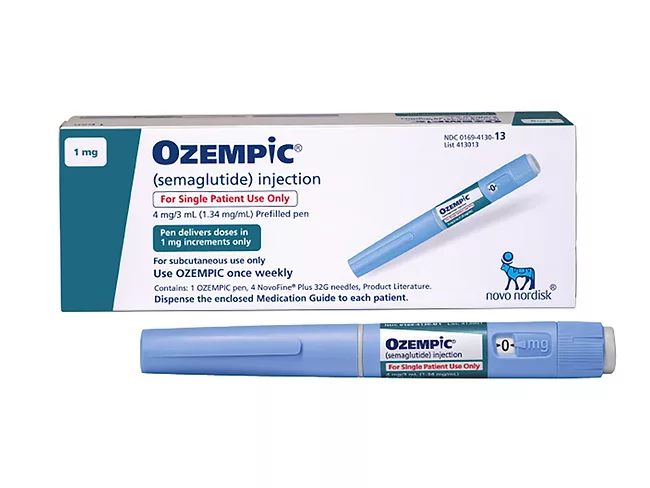
The EMA’s safety committee has issued a warning that the GLP-1 receptor agonist Ozempic (semaglutide, Novo Nordisk A/S) can cause an acute eye condition in which the optic nerve is damaged by a sudden loss of blood supply. After reviewing several large epidemiological studies, clinical trial and in-market data, EMA’s Pharmacovigilance Risk Assessment Committee has concluded non-anterior ischemic optic neuropathy is a “very rare” side effect of Ozempic, that “may affect up to one in 10,000 people taking semaglutide.
Far from eliminating the need for weight-loss procedures, glucagon-like peptide-1 receptor agonists could drive more people to seek them out. At least that’s what Fractyl Health Inc. and Bariendo Inc. hope, and they have strong evidence to support their case with a recent meta-analysis showing that individuals discontinuing the popular weight loss medications regain all their weight and more within two years.
Regeneron Pharmaceuticals Inc. is adding to its obesity pipeline by in-licensing Hansoh Biomedical Co. Ltd.’s phase III dual glucagon-like peptide 1 (GLP-1)/gastric inhibitory polypeptide (GIP) receptor agonist, HS-20094, for up to $2 billion.
Nibec Co. Ltd. announced May 28 the signing of a potential $435 million license deal for NP-201, its phase II-ready peptide-based pulmonary fibrosis therapy candidate, with an undisclosed U.S.-based biotech company.
China’s Pegbio Co. Ltd. launched its IPO on the Hong Kong stock exchange May 19, to raise up to HK$300.82 million (US$38.4 million) to advance visepegenatide (PB-119), its glucagon-like peptide 1 (GLP-1) receptor agonist.

 RSS
RSS