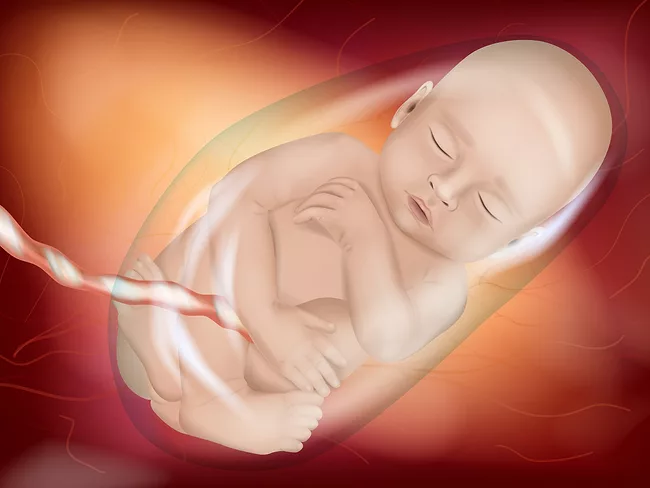
Around the end of every year, the media reports on pregnancy and women who give birth on the last and first days of the new year. They tell their stories, the names of their babies and the cities where they were born. While 2024 was coming to an end, gynecologists and other researchers finalized their publications to improve the health of women and their babies. The formation of the placenta or the study of preeclampsia are some of the first and last stories that greet and say goodbye to 2024. Those of 2025 will be born soon.
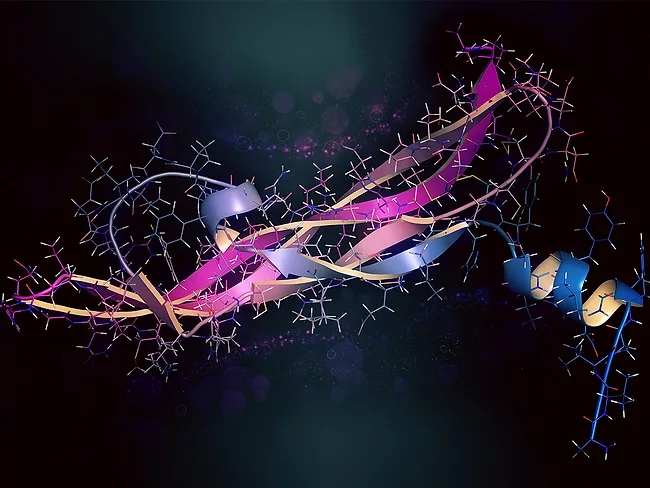
Cyclins regulate steroid receptor action in cyclin-dependent kinase (CDK)-dependent and independent manners. In addition to regulating the cell cycle, cyclin A2 (CCNA2) also mediates female sex steroids 17 β-estradiol and progesterone signaling in vitro, which is essential for fertility.
A gene therapy based on an enhanced lipid nanoparticle (LNP) loaded with vascular endothelial growth factor (VEGF) mRNA could be developed for the treatment of preeclampsia, according to a study in mice in which it alleviated maternal hypertension until the end of gestation and improved fetal health. Preeclampsia is a disease that affects 3% to 5% of pregnant women, who suffer from hypertension and proteinuria, elevated levels of protein in the urine, during pregnancy.
Nua Surgical Ltd. secured €6.5 million ($6.9 million) in series A financing to support regulatory clearance in the U.S. and early commercialization of its Stericision C-section retractor. The device is a self-retaining surgical retractor designed to improve outcomes for mothers undergoing a caesarean section.
In breast cancer, neoadjuvant chemotherapy reduces the tumor before surgery. However, the response to this treatment does not depend solely on the subtype of malignancies. Other factors could play a key role in its effectiveness, as shown in a study that described how the estrous cycle phases contribute to this variation.
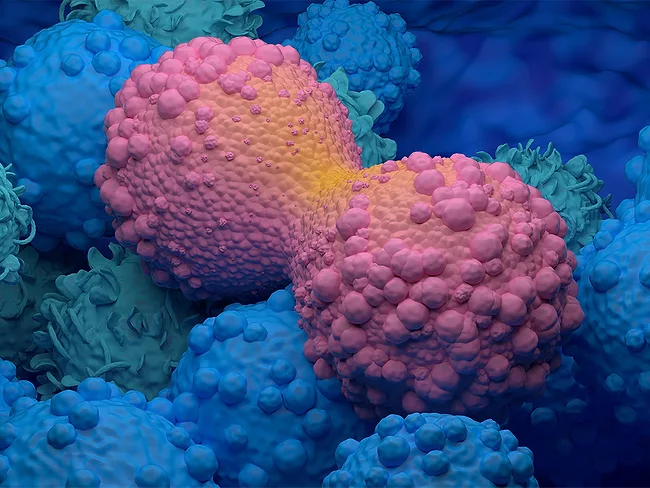
In breast cancer, neoadjuvant chemotherapy reduces the tumor before surgery. However, the response to this treatment does not depend solely on the subtype of malignancies. Other factors could play a key role in its effectiveness, as shown in a study that described how the estrous cycle phases contribute to this variation. The researchers propose adjusting the approach to the most suitable moment for patients.
In breast cancer, neoadjuvant chemotherapy reduces the tumor before surgery. However, the response to this treatment does not depend solely on the subtype of malignancies. Other factors could play a key role in its effectiveness, as shown in a study that described how the estrous cycle phases contribute to this variation. The researchers propose adjusting the approach to the most suitable moment for patients.
An international consortium of thousands of scientists is creating the Human Cell Atlas, a three-dimensional map of all the cells in the body. The goal is to understand all the cells that make up human tissues, organs and systems, which will enable multiple medical applications. This collection of cell maps is openly available for navigation at single-cell resolution, identified through omics analyses that reveal the tridimensional distribution of each cell.
Shandong Luye Pharmaceutical Co. Ltd. has described gonadotropin-releasing hormone receptor (GNRHR) antagonists reported to be useful for the treatment of acne, cancer, dysmenorrhea, endometriosis, uterine fibroids (myoma), infertility, precocious puberty and premenstrual syndrome, among others.
An international consortium of thousands of scientists is creating the Human Cell Atlas, a three-dimensional map of all the cells in the body. The goal is to understand all the cells that make up human tissues, organs and systems, which will enable multiple medical applications. This collection of cell maps is openly available for navigation at single-cell resolution, identified through omics analyses that reveal the tridimensional distribution of each cell.
 RSS
RSS